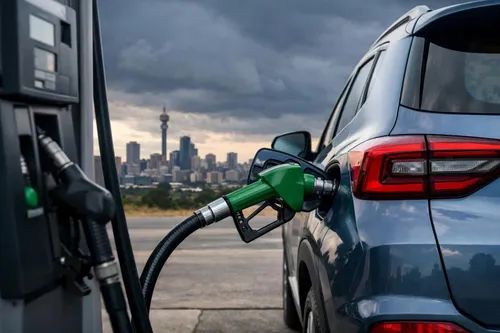
Cape Town residents are reeling from the latest petrol price increase, with many rushing to fill their tanks ahead of the hike. The price jump has sparked panic buying and growing fears over rising transport and food costs in the city.
At a petrol station in Kloof Street, the hours before midnight brought a surge of anxious motorists trying to beat the hike. “The rush was very hectic. Everyone wanted to get their tanks full before the price went up,” said petrol station manager Vengai Chinoingira. “People are genuinely concerned because the price went up by so much. It’s never increased like this before so people are worried and being vigilant.”
Fuel Price Increase Impact
Across the city, that concern is shifting from the pumps to people’s pockets. In the Cape Town CBD, Lekholo Moniwe said the increase is already weighing on residents and the broader economy. “The petrol price is killing us. It has really affected our economy and it’s going to continue to do so in the near future,” he said. “On a personal level, the increase still feels far to come but it’s coming.”
For commuters, the pressure is more immediate, with transport and grocery costs expected to rise in tandem. At the MyCiTi terminal on Adderley Street, Obakeng Sibiti stood waiting for a bus, bags of groceries in hand, as he considered how the increase could affect his monthly budget. “I’ve just come from the shop and the prices weren’t as high as I was expecting. Unfortunately, I think from tomorrow and the day after, we will see them really start climbing,” he said.
Ripple Effects on Economy
Sibiti, who relies on public transport, said he expects fares to follow fuel prices upward. “I always use the MyCiTi bus and buy a monthly ticket, which costs me around R1000, but I know this price is going to go up significantly very soon,” he said. “Everything is about to become much more expensive and it really gives cause for concern.” According to the South African National Bureau of Statistics, the fuel price increase will have a significant impact on the country’s inflation rate.
For those who depend on their vehicles to earn a living, the increase is already forcing difficult decisions. Hout Bay resident Keith Johnston said he is likely to adjust his pricing to absorb rising fuel costs. “I filled up yesterday and I know I will probably have to fill-up again on Friday. I usually put in R500 at a time which gives me about 200km,” he said. “I’m in business and work for myself so I will have to think about charging my clients a little extra.”
- The fuel price increase will affect not only motorists but also the taxi industry and people who transport goods to various shops.
- The ripple effects will extend beyond the transport sector, with food prices and daily expenses expected to rise.
- The increase will have a significant impact on the country’s inflation rate, according to the South African National Bureau of Statistics.
As the city struggles to come to terms with the fuel price hike, residents are bracing themselves for the tough times ahead. With the South African Reserve Bank keeping a close eye on the situation, it remains to be seen how the government will intervene to mitigate the effects of the price increase.