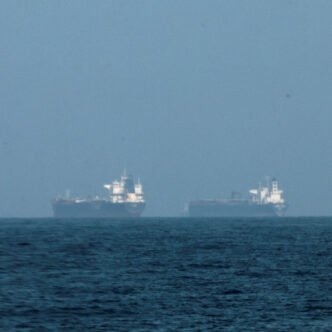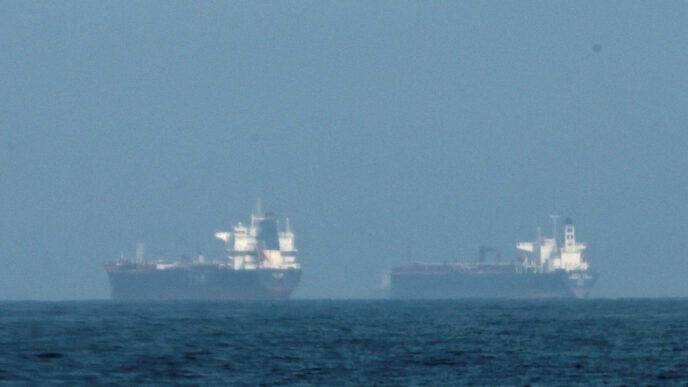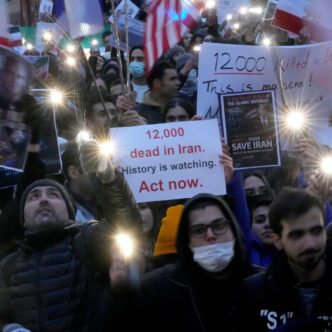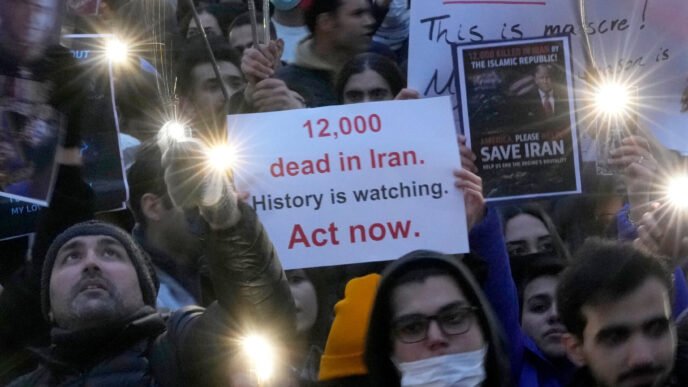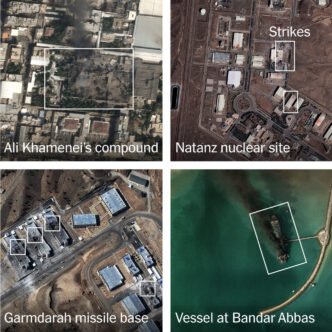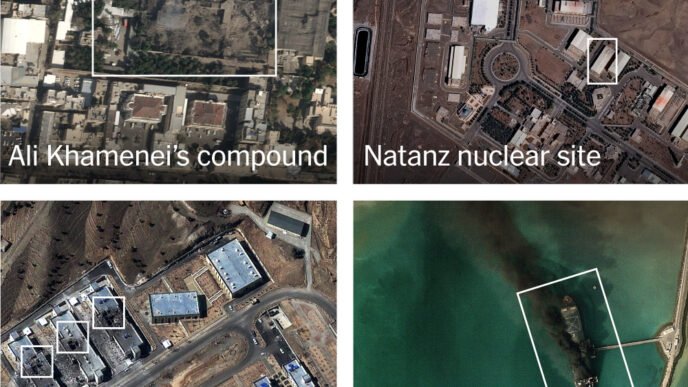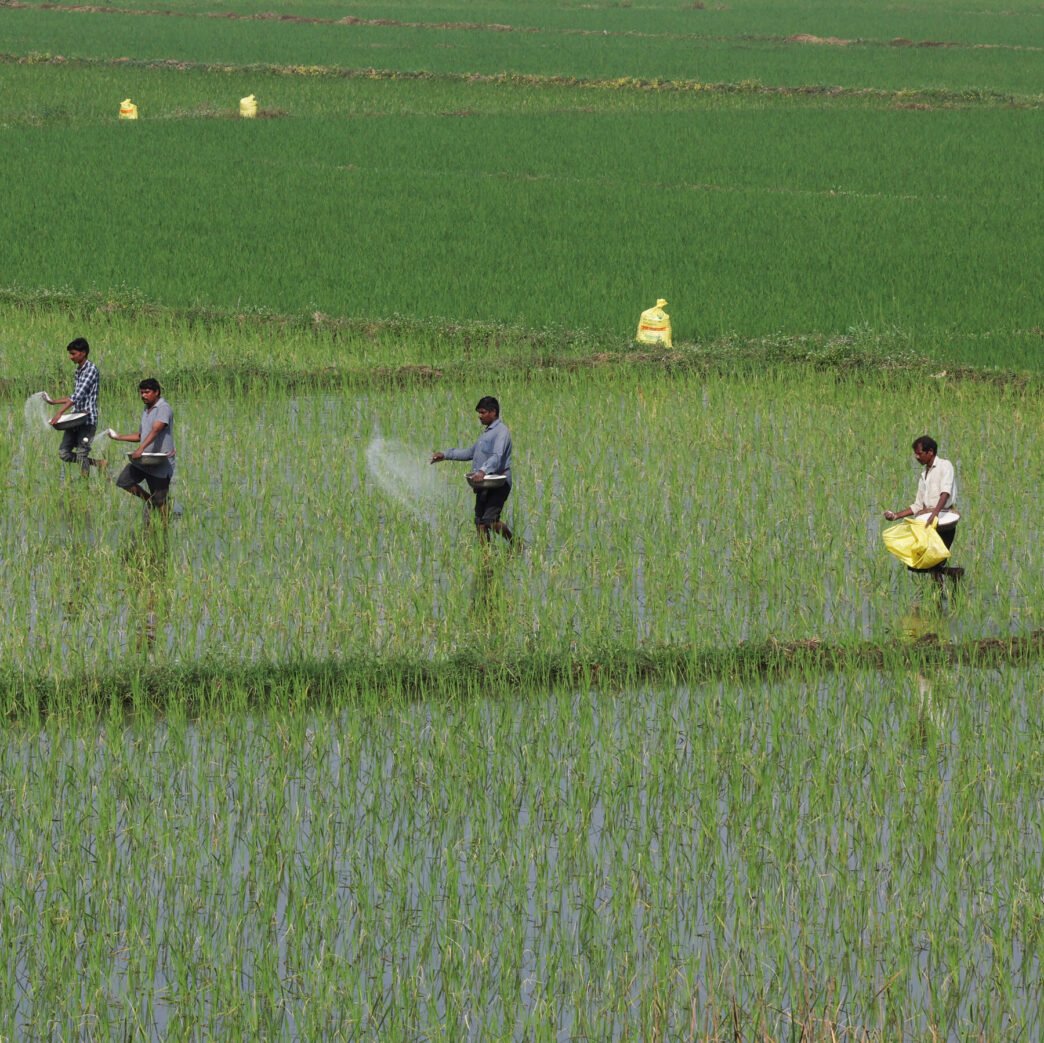
The Persian Gulf is a major source of fertilizers, making the conflict in the Middle East highly disruptive to the global production of food. Fertilizer production and distribution are critical components of the food supply chain, and any disruptions can have far-reaching consequences for global food security.
The ongoing conflict between the US, Israel, and Iran has significant implications for the global fertilizer market. With the Persian Gulf being a major source of fertilizers, the war in the Middle East could lead to shortages and price increases, ultimately affecting the availability and affordability of food worldwide.
Fertilizer Production and Global Food Security
The global fertilizer market is a complex system, and any disruptions to fertilizer production or distribution can have severe consequences for food security. According to the United Nations, the global population is projected to reach 9.7 billion by 2050, putting additional pressure on the food supply chain.
Key Factors Affecting Fertilizer Production
Several factors can impact fertilizer production, including conflict, trade restrictions, and environmental factors. Some of the key factors affecting fertilizer production include:
- Trade restrictions and sanctions
- Conflict and instability in key fertilizer-producing regions
- Environmental factors, such as climate change and natural disasters
The war in the Middle East could exacerbate these factors, leading to a perfect storm that threatens global food security. As the conflict continues to escalate, it is essential to consider the potential consequences for the global fertilizer market and food supply chain.
For more information on the impact of conflict on global food security, visit the Food and Agriculture Organization website.