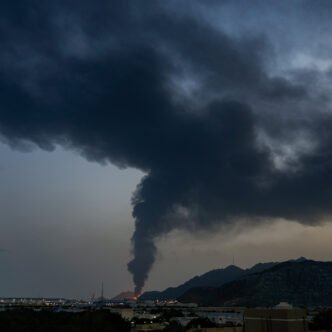
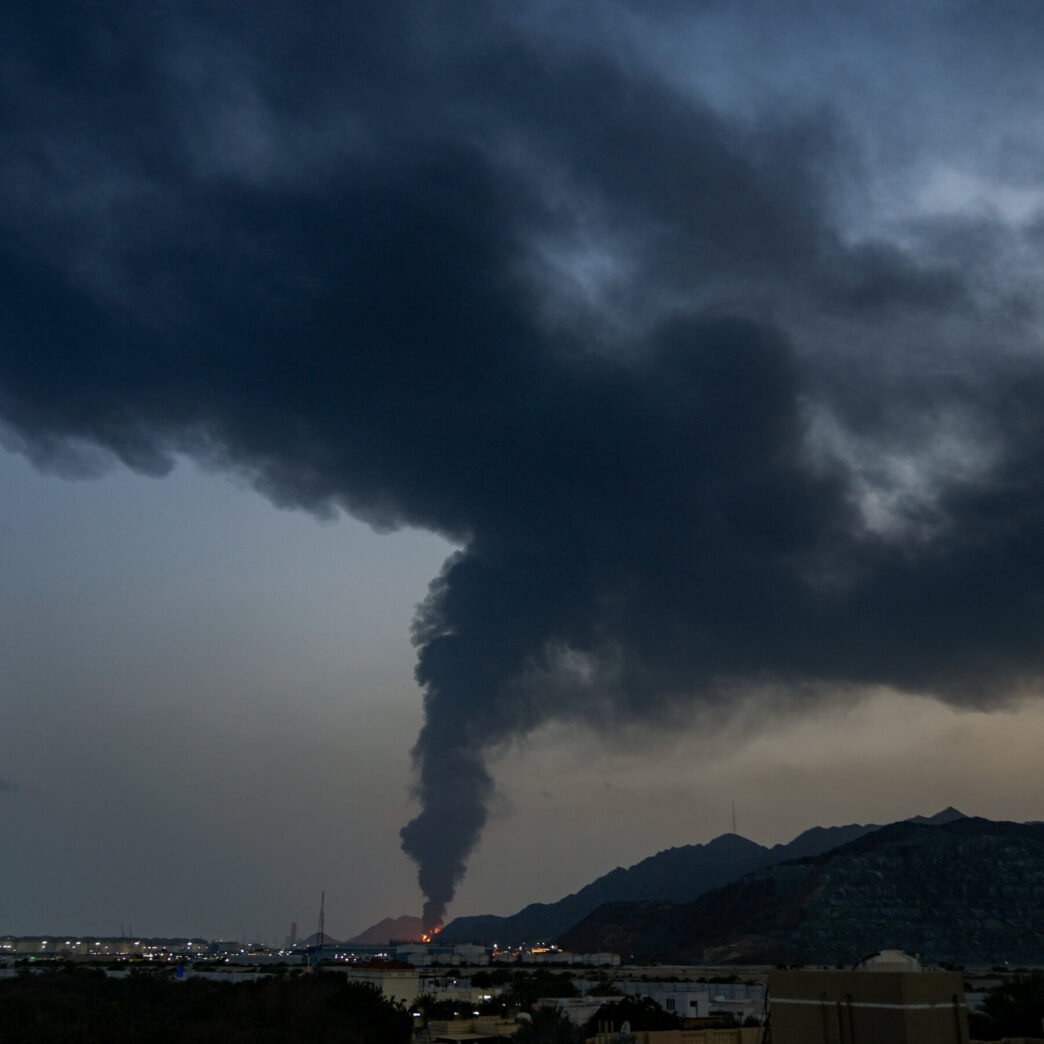
Iran’s relentless drone attacks have become a significant threat to the Gulf States, with a notable increase in volleys that could deplete air defenses in the region. The focus keyword here is ‘drone attacks’, which will be crucial in understanding the situation. Drone attacks have slowed down missile launches from Iran, but the frequency of these attacks could have severe consequences.
The Gulf States have been on high alert since the start of the year, with a significant increase in drone attacks from Iran. The attacks have raised concerns about the depletion of air defenses in the region, which could leave the states vulnerable to further attacks.
Drone Attacks Intensify
The intensification of drone attacks has led to a slowdown in missile launches from Iran, but the region remains on high alert. The drone attacks have been relentless, with multiple volleys reported in the past few weeks. The Gulf States have been working together to strengthen their air defenses, but the drone attacks have raised concerns about their ability to respond to such threats.
Regional Response
The regional response to the drone attacks has been swift, with the Gulf States working together to strengthen their air defenses. The states have been sharing intelligence and coordinating their response to the attacks, which has helped to reduce the impact of the drone attacks. However, the frequency of the attacks has raised concerns about the long-term sustainability of the region’s air defenses.
The following are some of the key measures being taken by the Gulf States to respond to the drone attacks:
- Sharing intelligence to better understand the threat posed by the drone attacks
- Coordinating their response to the attacks to reduce the impact
- Strengthening their air defenses to prevent future attacks
For more information on the drone attacks and the regional response, visit the Al Jazeera website or the BBC News website.