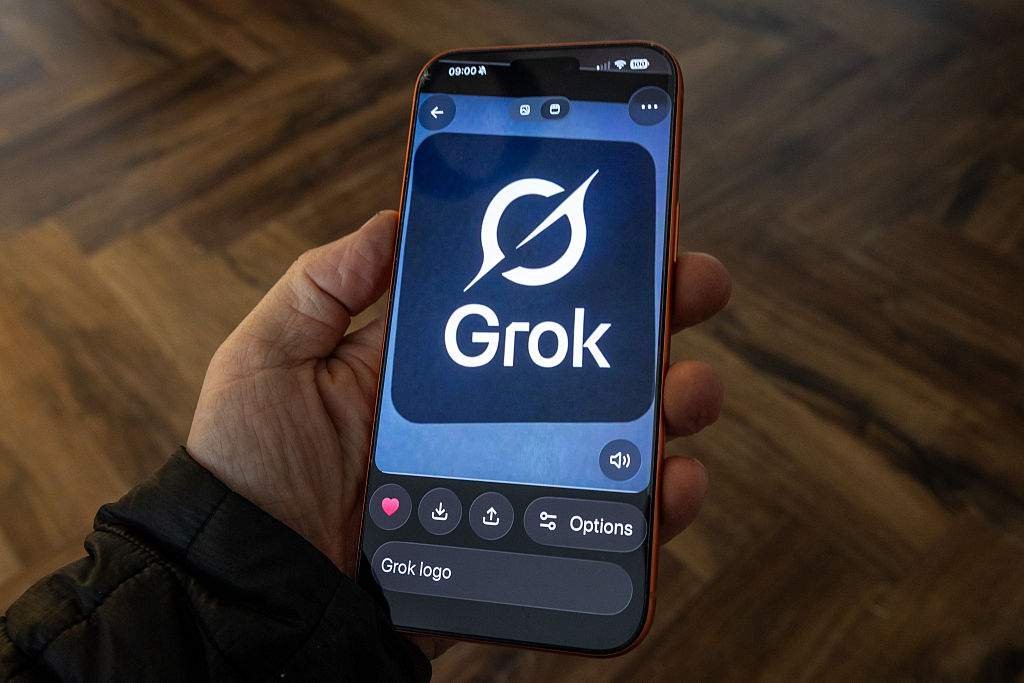
The European Union has taken a significant step towards regulating the use of deepfakes, with a ban on AI-generated sexualised content set to come into effect. This move follows an outcry over such images produced by Elon Musk’s chatbot, with EU lawmakers citing the need to protect individuals from degrading content. As European Commission regulations evolve, the ban is expected to become law after negotiations on a final text.
What the Ban Entails
The proposed ban will prohibit the generation of non-consensual sexual and intimate content, as well as child sexual abuse material. This is part of a broader effort to amend the EU’s comprehensive rules on AI, with lawmakers pushing for stricter regulations on high-risk AI systems. According to EU lawmaker Sergey Lagodinsky, the ban is not just about individual scandals, but about the power given to AI to degrade people.
Timeline and Implementation
A fixed timeline has been approved for the delayed application of high-risk AI rules, with December 2027 set as the deadline for stand-alone high-risk AI systems and August 2028 for high-risk AI systems embedded in products. The European Parliament is expected to approve the ban during a vote by committees, marking a significant step towards regulating the use of deepfakes in the EU.
Some key points to note about the ban include:
- Prohibition on the generation of non-consensual sexual and intimate content
- Prohibition on the generation of child sexual abuse material
- Fixed timeline for the implementation of high-risk AI rules
- Expected approval by the European Parliament
For more information on the EU’s AI regulations, visit the European Union website. As the EU continues to evolve its regulations on AI, it is likely that we will see significant changes in the way deepfakes are used and regulated.