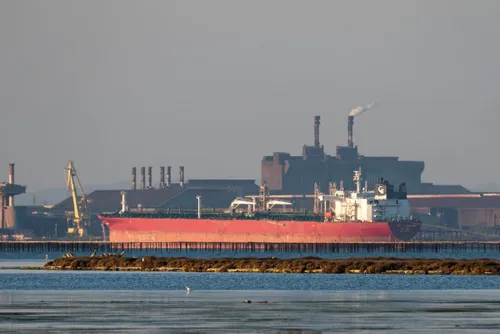

South Africa is at a critical juncture, with the recent closure of the Sapref refinery sparking intense debate about the country’s energy future. The decarbonisation lobby, which has been instrumental in pushing for the closure of the refinery, has been accused of being out of touch with reality. As the Department of Mineral Resources and Energy scrambles to find alternative solutions, many are questioning the wisdom of abandoning fossil fuels in favour of green energy.
The Economic Implications
The closure of the Sapref refinery has had a devastating impact on the local economy, with hundreds of jobs lost and the country forced to rely on foreign oil imports. This has not only increased the cost of fuel but also undermined the country’s energy sovereignty. The South African Statistics Agency has reported a significant increase in unemployment, particularly among young people.
The Science Behind Climate Change
Despite the rhetoric surrounding climate change, the science is clear: climate change is a natural phenomenon that has been occurring for centuries. Solar variations, changes in the Earth’s orbit, and slight variations in the tilt of the Earth all contribute to climate change. The idea that human activity is the primary driver of climate change is a myth that has been perpetuated by the decarbonisation lobby.
Some of the key arguments against the decarbonisation lobby include:
- The closure of the Sapref refinery has led to a loss of jobs and increased reliance on foreign oil imports
- The push for green energy has been driven by ideology rather than science
- The cost of transitioning to green energy is prohibitively expensive and will have a devastating impact on the economy
In contrast, countries like Namibia are taking a more pragmatic approach to energy production, with plans to exploit their oil and gas reserves to drive economic growth.