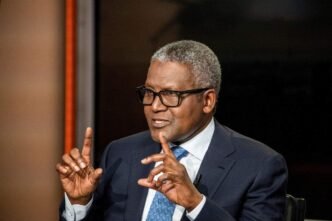
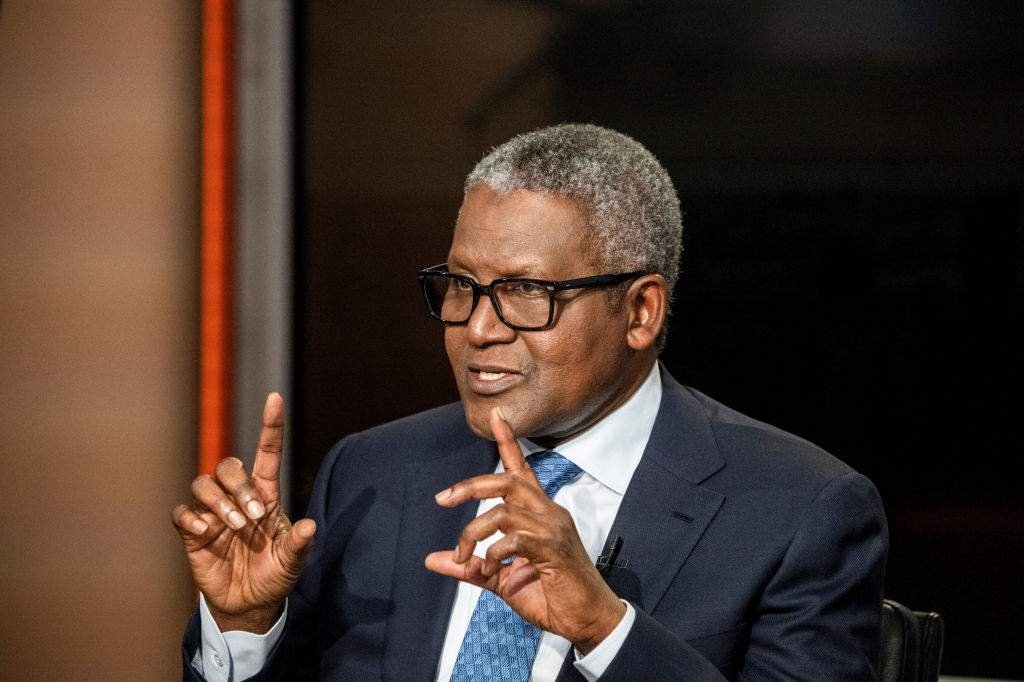
As the Iran war disrupts global fuel flows, South Africa is seeking a 12-month contract with Nigeria’s Dangote Petroleum Refinery and Petrochemicals to secure fuel supplies. The refinery, owned by Nigerian billionaire Aliko Dangote, has been flooded with inquiries from African governments, including Ghana and Kenya, as well as countries outside the continent.
Fuel Shortage Fears in South Africa
The US-Israel war on Iran has exposed vulnerabilities across the global economy, with Africa being one of the most affected regions. About 75% of refined-fuel imports in eastern and southern Africa come from the Middle East, according to Elitsa Georgieva, executive director at energy consultancy International Energy Agency. South Africa, in particular, has lost about half its refining capacity in recent years due to accidents and underinvestment, making it reliant on imports.
A comprehensive plan is in place to manage potential supply risks, according to the South African government. The state-owned Central Energy Fund has about 8 million barrels of strategic crude oil stocks, but virtually no dedicated fuel reserves. Lawmakers have found such stockpiles lacking, and the government has been looking into keeping its own strategic reserves since the country has become a net importer of oil products.
Impact on South African Petrol Prices
Fuel marketers in South Africa hold some stocks as a distribution buffer, but the government has been urged to keep its own strategic reserves. With about 75% of Dangote’s 650,000 barrel-a-day facility reserved for Nigeria, the remainder is available for export. Ghana and Kenya have also reached out to Dangote, highlighting the urgency of the situation.
Here are some key facts about the fuel shortage:
- About 75% of refined-fuel imports in eastern and southern Africa come from the Middle East.
- South Africa has lost about half its refining capacity in recent years.
- The country has about 8 million barrels of strategic crude oil stocks.
- Dangote’s refinery has a capacity of 650,000 barrels per day.
As the situation continues to unfold, South Africans can expect potential fuel price increases and shortages. The government has assured that supplies remain stable for now, but the long-term effects of the Iran war on the global economy are still uncertain.