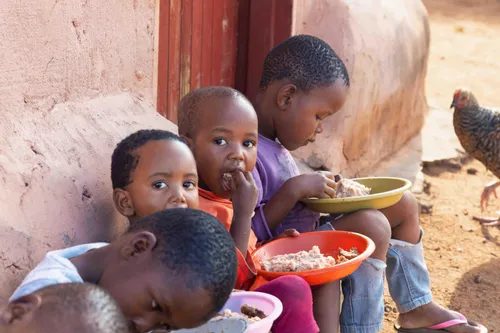
Childhood stunting affects one in four South African children under five, limiting cognitive development, educational attainment, and future earnings. The economic cost is huge, with losses estimated at R136–R202 billion annually, according to the United Nations Children’s Fund.
What is Childhood Stunting?
Childhood stunting is a condition where a child’s growth and development are impaired due to inadequate nutrition, healthcare, and environmental factors. This can lead to long-term consequences, including reduced productivity and increased healthcare costs.
Economic Impact
The economic cost of childhood stunting in South Africa is significant, with estimates suggesting that it can reduce a person’s lifetime earnings by up to 26%. This can have a ripple effect on the economy, with reduced economic growth and increased poverty.
Some of the key factors contributing to childhood stunting in South Africa include:
- Poor nutrition and inadequate access to healthcare
- Limited access to clean water and sanitation
- High levels of poverty and inequality
To address childhood stunting, the South African government has implemented various initiatives, including the National Health Insurance scheme and programs aimed at improving nutrition and healthcare for children.
However, more needs to be done to address the root causes of childhood stunting and to ensure that all children have access to the resources they need to thrive.