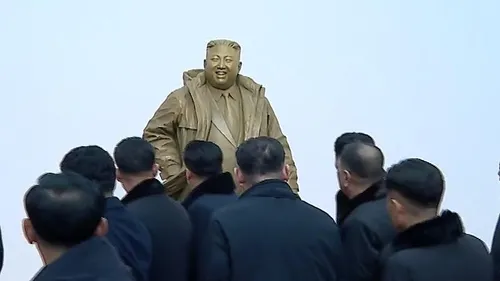
Of all the recurring features of authoritarianism I’ve seen, from Africa to Asia to the Middle East to post-Soviet Europe, none is more bizarre – or revealing – than the personality cult. Autocrats plaster their name on highways, airports, bridges, stadiums, entire towns. They put their face on the currency, as seen with personality cults in North Korea and Turkmenistan.
Personality Cults: A Hallmark of Authoritarianism
According to a study by the Freedom House, around 80% of authoritarian regimes have a personality cult. This phenomenon is not unique to any particular region or culture, but rather a symptom of a deeper desire for control and power. In South Africa, for example, the cult of personality surrounding former president Jacob Zuma was a major factor in his rise to power.
So, what drives authoritarian leaders to create these cults of personality? The answer lies in their desire for legitimacy and control. By plastering their name and face everywhere, they create a sense of omnipresence and omnipotence. This can be seen in the way that leaders like Vladimir Putin and Xi Jinping have cultivated their public images, using propaganda and media control to shape public opinion.
Key Characteristics of Personality Cults
Some common characteristics of personality cults include:
- Widespread use of the leader’s image and name in public spaces
- Control of the media and propaganda machines
- Suppression of dissent and opposition
- Cultivation of a sense of infallibility and omnipotence
In conclusion, the personality cult is a powerful tool used by authoritarian leaders to maintain control and legitimacy. By understanding the characteristics and drivers of these cults, we can better appreciate the dangers of authoritarianism and the importance of promoting democracy and human rights.