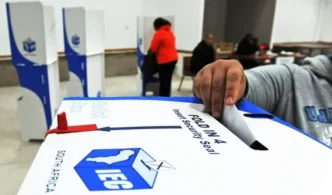
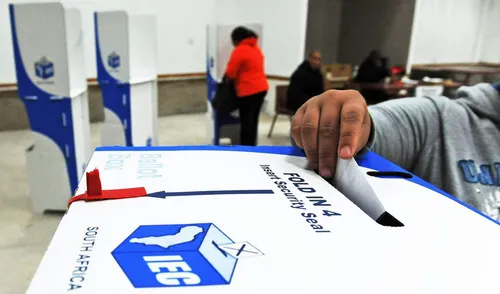
As President Cyril Ramaphosa announced the upcoming local government elections, the stakes have never been higher, with 47% of South Africans feeling unrepresented by any political party. This significant percentage highlights the need for political parties to re-strategize and engage voters effectively before the November elections.
According to the South African Government website, the local government elections are a crucial aspect of the country’s democratic process, as they determine the leadership of municipalities across the country. With the high percentage of unrepresented voters, parties must develop innovative strategies to connect with the electorate and address pressing issues.
Understanding the Challenges
The 47% of unrepresented voters pose a significant challenge for political parties, as it indicates a disconnect between the parties and the people. To overcome this, parties must conduct thorough research to understand the needs and concerns of the voters. This can be achieved through community outreach programs, surveys, and town hall meetings.
Essential Strategies for Engagement
Some essential strategies for political parties to engage voters include:
- Developing clear and concise manifestos that address the needs and concerns of the voters
- Establishing strong community outreach programs to connect with the electorate
- Utilizing social media platforms to disseminate information and engage with voters
- Hosting town hall meetings and debates to provide a platform for voters to engage with party leaders
By implementing these strategies, political parties can effectively engage voters and address the pressing issues that affect their lives. As the Wikipedia page on Elections in South Africa highlights, the country has a long history of democratic elections, and the 2026 local government elections will be a crucial test of the country’s democratic process.