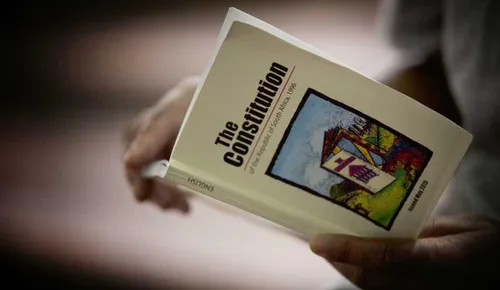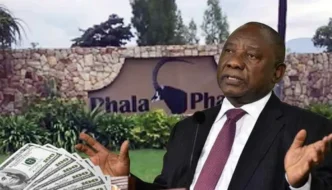
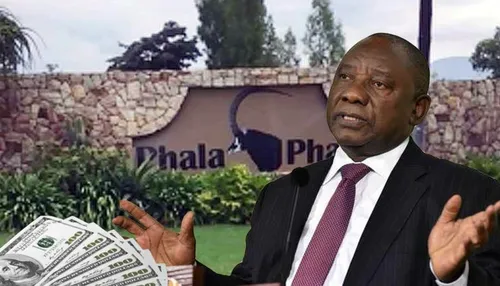
Trouble is brewing for President Cyril Ramaphosa as the African Transformation Movement (ATM) tables a no-confidence motion in Parliament, sparking a political storm following the Constitutional Court’s ruling on the Phala Phala scandal. This latest development comes after the court’s decision to allow the National Assembly to proceed with the vote, as stated on the Parliament of South Africa website.
The Phala Phala scandal, which involves the alleged theft of large sums of money from Ramaphosa’s farm, has been a major source of controversy for the president. The ATM’s decision to table a no-confidence motion is a significant blow to Ramaphosa, who is already facing intense pressure from opposition parties and some members of his own party.
No-Confidence Motion Explained
A no-confidence motion is a parliamentary procedure that allows members of the National Assembly to vote on whether they have confidence in the president. If the motion is successful, it could lead to Ramaphosa’s removal from office. The motion of no confidence is a powerful tool that can be used to hold the president accountable for their actions.
Possible Outcomes
There are several possible outcomes of the no-confidence motion. These include:
- The motion is successful, and Ramaphosa is removed from office
- The motion is unsuccessful, and Ramaphosa remains in office
- The motion is delayed or withdrawn, and the issue is revisited at a later date
The outcome of the no-confidence motion will have significant implications for South Africa’s political landscape. If Ramaphosa is removed from office, it could lead to a period of instability and potentially even affect the country’s economy.