
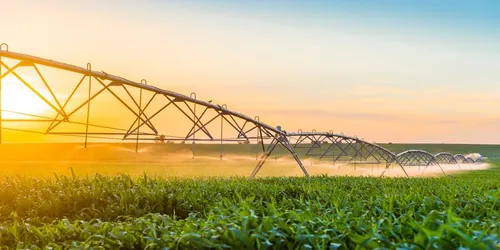
The Land Bank, a vital institution for South Africa’s agricultural sector, is embarking on a crucial recovery strategy. Acting CEO Jabu Mphambo has outlined a plan to stabilise funding, enhance loan quality, and support emerging farmers following the bank’s 2020 default. This move is part of a broader effort to restore the bank’s financial health and ensure its long-term sustainability.
Key Objectives
The Land Bank’s recovery plan has several key objectives, including reducing bad loans by 30% over the next two years. This will be achieved through a combination of measures, such as improving credit assessment and monitoring, as well as providing support to struggling farmers. According to the National Treasury, the agricultural sector is a critical component of South Africa’s economy, accounting for around 10% of the country’s exports.
Support for Emerging Farmers
The Land Bank is also committed to supporting emerging farmers, who are essential for the country’s food security and economic growth. To achieve this, the bank will provide access to finance, training, and mentorship programs. As noted by the Department of Agriculture, Land Reform and Rural Development, emerging farmers face significant challenges, including limited access to markets, credit, and technology.
Some of the key initiatives included in the Land Bank’s recovery plan are:
- Enhancing loan products to better meet the needs of emerging farmers
- Improving credit assessment and monitoring to reduce the risk of bad loans
- Providing training and mentorship programs to support emerging farmers
- Establishing partnerships with other organizations to provide access to markets and technology
Overall, the Land Bank’s recovery plan is a critical step towards restoring the bank’s financial health and ensuring its long-term sustainability. By supporting emerging farmers and reducing bad loans, the bank can play a vital role in promoting South Africa’s agricultural sector and contributing to the country’s economic growth.