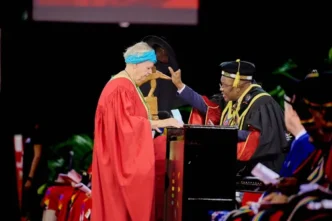

At 76, Dr Denise Ingrid Adams has made history as the oldest graduate at the University of KwaZulu-Natal’s (UKZN) autumn graduation, where she showcased her groundbreaking PhD research on the ecological importance of the uMngeni Beachwood Mangrove Nature Reserve through innovative artistic practices.
Dr Adams’ research highlights the critical role that mangroves play in maintaining the health of our oceans and the devastating impact of their destruction. According to the International Union for Conservation of Nature, mangroves are one of the most threatened ecosystems on the planet, with an estimated 35% of the world’s mangroves already lost.
Mangrove Conservation in South Africa
In South Africa, mangroves are found along the eastern coast, with the uMngeni Beachwood Mangrove Nature Reserve being one of the most significant mangrove ecosystems in the country. However, these ecosystems are facing numerous threats, including climate change, pollution, and over-development.
Why Mangroves Matter
Mangroves provide a range of essential ecosystem services, including shoreline protection, water filtration, and habitat creation for numerous species of plants and animals. They also play a critical role in supporting the livelihoods of local communities, with many people relying on mangroves for fishing, forestry, and tourism.
Some of the key benefits of mangroves include:
- Habitat creation for numerous species of plants and animals
- Shoreline protection and erosion control
- Water filtration and purification
- Support for local livelihoods and economies
Dr Adams’ research demonstrates the importance of preserving and protecting these critical ecosystems, not just for the health of our oceans, but also for the well-being of local communities and the economy.