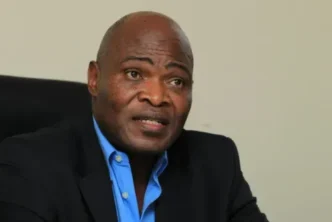
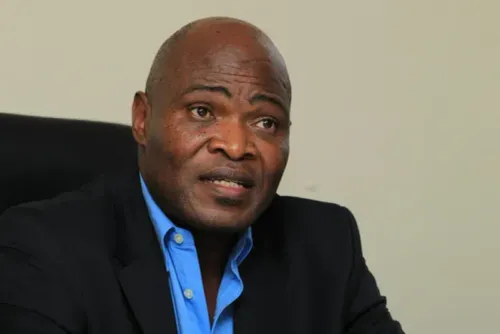
King Misuzulu kaZwelithini’s reported move to bring former judge Jerome Ngwenya back into iNgonyama Trust affairs has raised fresh questions, given Ngwenya’s ongoing legal battle with the trust over a missing R30 million land-sale payout. The royal house insists no formal appointment has been made, but the prospect of Ngwenya’s return comes amid mounting tensions over the future governance of the iNgonyama Trust Board.
The iNgonyama Trust, which manages over 2.8 million hectares of land on behalf of the Zulu monarch, has been at the center of controversy in recent years. According to the Department of Traditional Affairs, the trust plays a crucial role in promoting the cultural heritage and traditions of the Zulu people.
iNgonyama Trust Governance
The governance of the iNgonyama Trust Board has been a subject of debate, with some calling for greater transparency and accountability. The trust is currently governed by a board of trustees, which includes representatives from the Zulu royal house and other stakeholders. However, the king’s efforts to secure greater powers over board appointments have raised concerns about the potential for conflict of interest.
Ngwenya’s Role in the Controversy
Ngwenya, a former judge, has been embroiled in a legal battle with the iNgonyama Trust over a missing R30 million land-sale payout. The trust has accused Ngwenya of mismanaging funds, while Ngwenya has denied any wrongdoing. The case is currently pending in court, and the outcome is likely to have significant implications for the trust and its governance.
Some of the key issues surrounding the iNgonyama Trust include:
- Lack of transparency and accountability in the trust’s governance structure
- Potential conflict of interest in the king’s efforts to secure greater powers over board appointments
- Ongoing legal battles over missing funds and land-sale payouts
- Need for greater representation and participation from local communities in the trust’s decision-making processes
The iNgonyama Trust was established in 1994 to manage the land and other assets of the Zulu monarch. The trust is responsible for promoting the cultural heritage and traditions of the Zulu people, as well as providing economic benefits to local communities.