
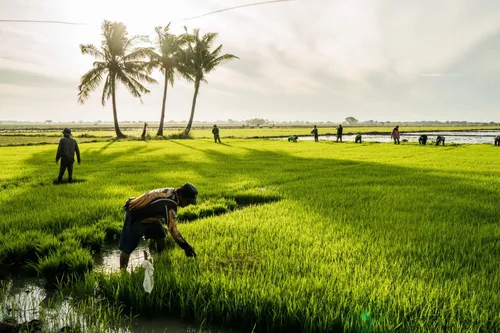
Rising CO2 levels are not just warming the planet, they are also diminishing the nutritional value of our staple foods, with some crops losing up to 10% of their protein content. A simple meal of chickpea and rice, once a powerhouse of nutrients, is now on the brink of contributing to a global epidemic of ‘hidden hunger.’ This phenomenon is particularly concerning for South Africans, who rely heavily on staple crops like maize and wheat.
According to the Intergovernmental Panel on Climate Change, climate change is projected to lead to a significant decline in crop yields and nutritional quality. This is because higher CO2 levels can lead to an increase in carbohydrate production in plants, at the expense of protein and other essential nutrients.
How CO2 Affects Crop Nutrition
The effects of CO2 on crop nutrition are far-reaching and complex. Some of the key ways in which CO2 affects crop nutrition include:
- Reduced protein content: Higher CO2 levels can lead to a decrease in protein content in crops, making them less nutritious.
- Increased carbohydrate content: CO2 can cause plants to produce more carbohydrates, such as sugars and starches, at the expense of other essential nutrients.
- Changes in micronutrient content: Climate change can also affect the levels of micronutrients like iron, zinc, and vitamin B in crops.
Implications for South Africa
The implications of this trend are particularly significant for South Africa, where many people rely on staple crops like maize and wheat for their daily nutrition. A decrease in the nutritional value of these crops could have serious consequences for public health, particularly among vulnerable populations like children and the elderly.
As noted by the World Health Organization, micronutrient deficiencies are already a major public health concern in many parts of the world, including South Africa. The decline in crop nutrition could exacerbate this problem, leading to a range of negative health outcomes.