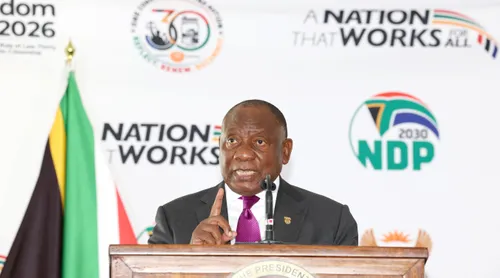
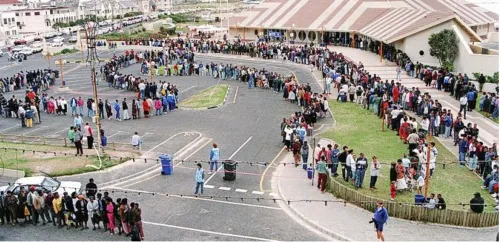
On Monday, South Africans commemorated the 32nd anniversary of the country’s first democratic elections, which marked the end of apartheid and institutionalized racial oppression. Led by Speaker Thoko Didiza and Chairperson Refilwe Mtshweni-Tsipane, Parliament’s Presiding Officers joined the nation in honoring this historic occasion.
The first democratic elections in 1994 ushered in a new era, paving the way for the adoption of the Constitution in 1996, which embodies the democratic values of human dignity, equality, and freedom. According to the ANC, this year’s commemoration holds added significance as it reminds us of the arduous path traveled since the formation of the party and the major events that changed the course of the liberation history.
Challenges to Freedom
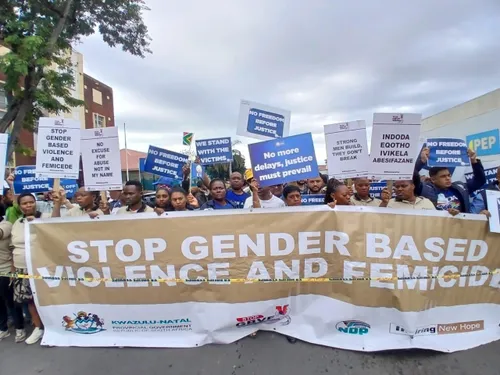
However, despite the progress made, many South Africans still face numerous challenges, including high levels of unemployment, crime, and inequality. DA leader Geordin Hill-Lewis noted that millions of South Africans live without the most basic condition of freedom: safety. “Freedom is not only the right to vote. It is the freedom of a child to walk to school safely. It is the freedom of a mother to wait at a taxi rank without fear,” he said.
ActionSA President Herman Mashaba also highlighted the country’s struggles, citing the highest sustainable unemployment in the world, high rates of murder and rape, and the destruction caused by international drug syndicates. The GOOD Party questioned how South Africa can truly claim to be free when the Cape Flats remains a battlefield, with relentless gang violence and a lack of safety for residents.
Key Statistics
- 32 years since the first democratic elections
- 30 years since the adoption of the Constitution
- High levels of unemployment, crime, and inequality persist
As the country reflects on its past and present, it is clear that there is still much work to be done to ensure that all South Africans can enjoy the freedoms and rights enshrined in the Constitution. According to the South African National Statistics Office, the country still has a long way to go in addressing the socio-economic challenges that affect its citizens.