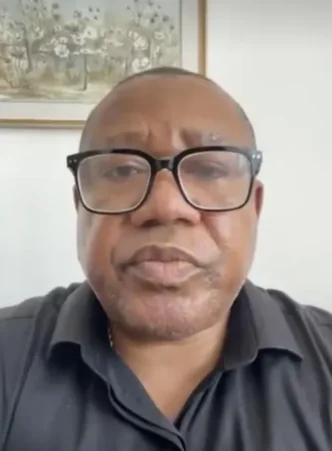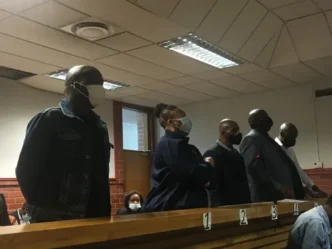
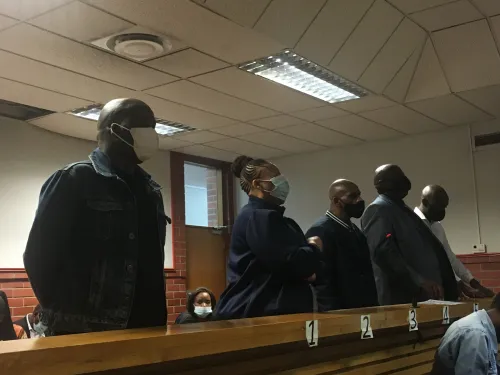
A former detective, Bonginkosi Dlamini, has been convicted of accepting a R120,000 bribe to fudge evidence in a 2018 murder case, highlighting the extent of corruption within the South African police force. The case, which was heard at the Pinetown Regional Court, has sparked concerns about the integrity of law enforcement officials and the impact of corruption on the administration of justice.
Dlamini, along with former Lieutenant Colonel Khephu Ndlovu, Sibongile Ndlovu, and Lindokuhle Mbonambi, were found guilty of defeating the administration of justice and corruption. The defence has urged the court to show leniency in sentencing, citing Dlamini’s limited involvement in the crime and the significant time he has already spent incarcerated – six years and two months.
Corruption and the Law
The case has brought attention to the issue of corruption within the police force, with the South African Government acknowledging the need for reform and greater accountability. The South African Police Service has also launched initiatives to combat corruption and improve the integrity of law enforcement officials.
The defence has argued that Dlamini’s role in the crime was minimal, limited to two phone calls and a meeting in October 2018. However, the prosecution has opposed the request for a lesser sentence, citing Dlamini’s attempts to delay the court proceedings and his lack of remorse for his actions.
Persistent Efforts to Delay Justice
Deputy Director of Public Prosecutions Advocate Lawrence Gcaba has highlighted Dlamini’s persistent efforts to delay the court proceedings, including filing interdicts in the High Court and applying for bail on numerous occasions. This has resulted in significant delays in the case, causing undue stress and trauma to the victims’ families.
The case has also brought attention to the importance of mental health support for prisoners, with Khephu Ndlovu’s mental health being cited as a concern. The defence has argued that Ndlovu has been suicidal since his incarceration and requires urgent medical attention.
- Dlamini was convicted of accepting a R120,000 bribe to fudge evidence in a 2018 murder case
- The case has sparked concerns about the integrity of law enforcement officials and the impact of corruption on the administration of justice
- The defence has urged the court to show leniency in sentencing, citing Dlamini’s limited involvement in the crime and the significant time he has already spent incarcerated