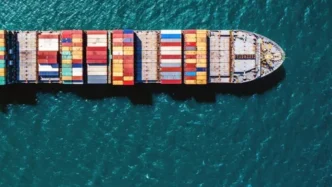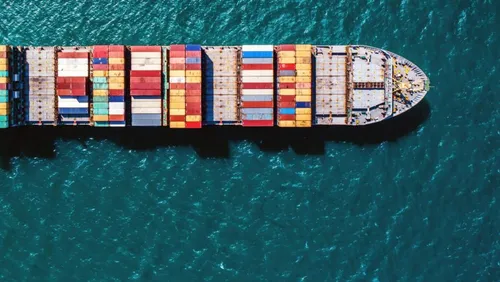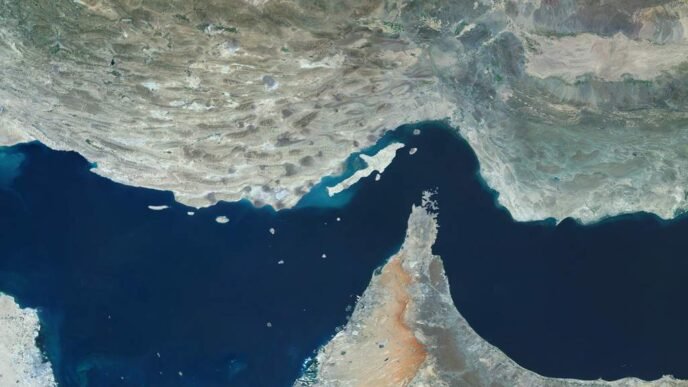
The escalating conflict in the Gulf is no longer just a geopolitical story, but a manufacturing one, with North Africa and the wider Mediterranean industrial corridor feeling the impact of disrupted shipping routes and energy flows, as seen in the World Trade Organization reports on global trade disruptions.
Gulf Conflict Impact on Manufacturing
The Strait of Hormuz security crisis has quickly evolved into a direct threat to manufacturing output, industrial costs, and supply-chain stability, with some experts warning of a potential 10% decline in regional production.
According to a report by the African Development Bank, the manufacturing sector in North Africa is heavily reliant on imported goods and energy, making it particularly vulnerable to external shocks.
Regional Manufacturing Vulnerabilities
The following are some key vulnerabilities in North Africa’s manufacturing sector:
- High dependence on imported raw materials and energy
- Lack of diversification in manufacturing output
- Insufficient investment in supply-chain infrastructure
These vulnerabilities are likely to be exposed further as the conflict in the Gulf continues to escalate, with potential consequences for the regional economy and trade relationships.