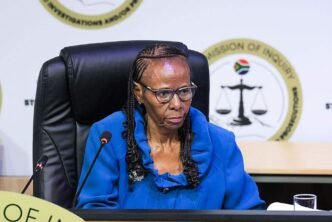
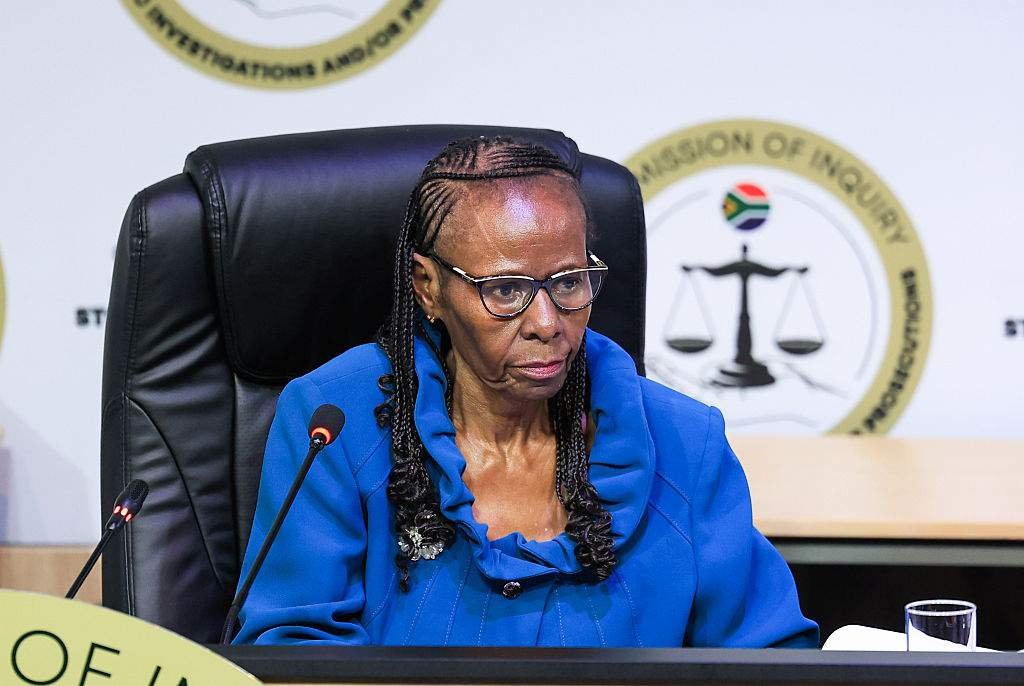
In a significant ruling, the Gauteng High Court in Johannesburg has dismissed Jacob Zuma and Thabo Mbeki’s bid to force the removal of retired Justice Sisi Khampepe from the apartheid prosecutions inquiry. The court’s decision was based on the former presidents’ failure to obtain Chief Justice Mandisa Maya’s permission to sue her, as required by law.
The apartheid prosecutions inquiry, led by Justice Khampepe, aims to investigate and prosecute individuals responsible for human rights violations during the apartheid era. The inquiry’s work is crucial in providing closure and justice to the victims and their families.
Background of the Case
Zuma and Mbeki’s bid to remove Justice Khampepe was based on allegations of bias and impartiality. However, the court found that their application was invalid due to the lack of necessary permissions. The ruling highlights the importance of following proper procedures and protocols in legal matters.
Implications of the Ruling
The dismissal of Zuma and Mbeki’s bid has significant implications for the apartheid prosecutions inquiry. The inquiry can now continue its work without interruptions, and Justice Khampepe can proceed with her duties as the chairperson. The ruling also sets a precedent for future cases, emphasizing the need for proper permissions and protocols in legal proceedings.
The Department of Justice and Constitutional Development has welcomed the court’s decision, stating that it will allow the inquiry to focus on its core mandate. The department has also emphasized its commitment to supporting the inquiry and ensuring that those responsible for human rights violations are held accountable.
Some of the key points to note about the ruling include:
- The court’s decision was based on a two-one split ruling.
- Zuma and Mbeki failed to obtain the necessary permissions to sue Justice Khampepe.
- The inquiry can now continue its work without interruptions.
- The ruling sets a precedent for future cases, emphasizing the need for proper procedures and protocols.
As the inquiry continues its work, it is essential to consider the broader context and implications of the ruling. The Truth and Reconciliation Commission played a crucial role in South Africa’s transition to democracy, and the apartheid prosecutions inquiry is a vital step towards accountability and justice.