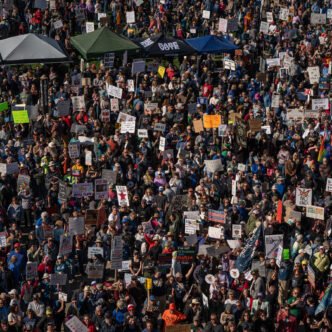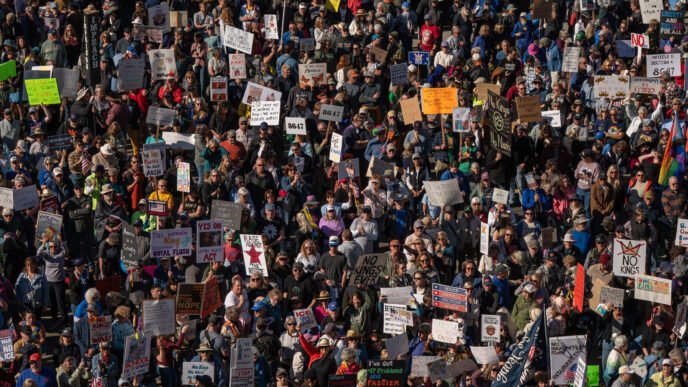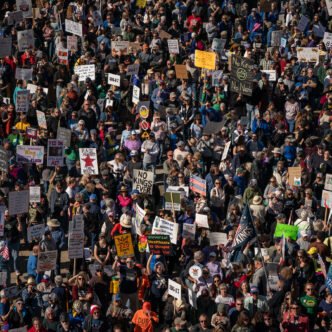
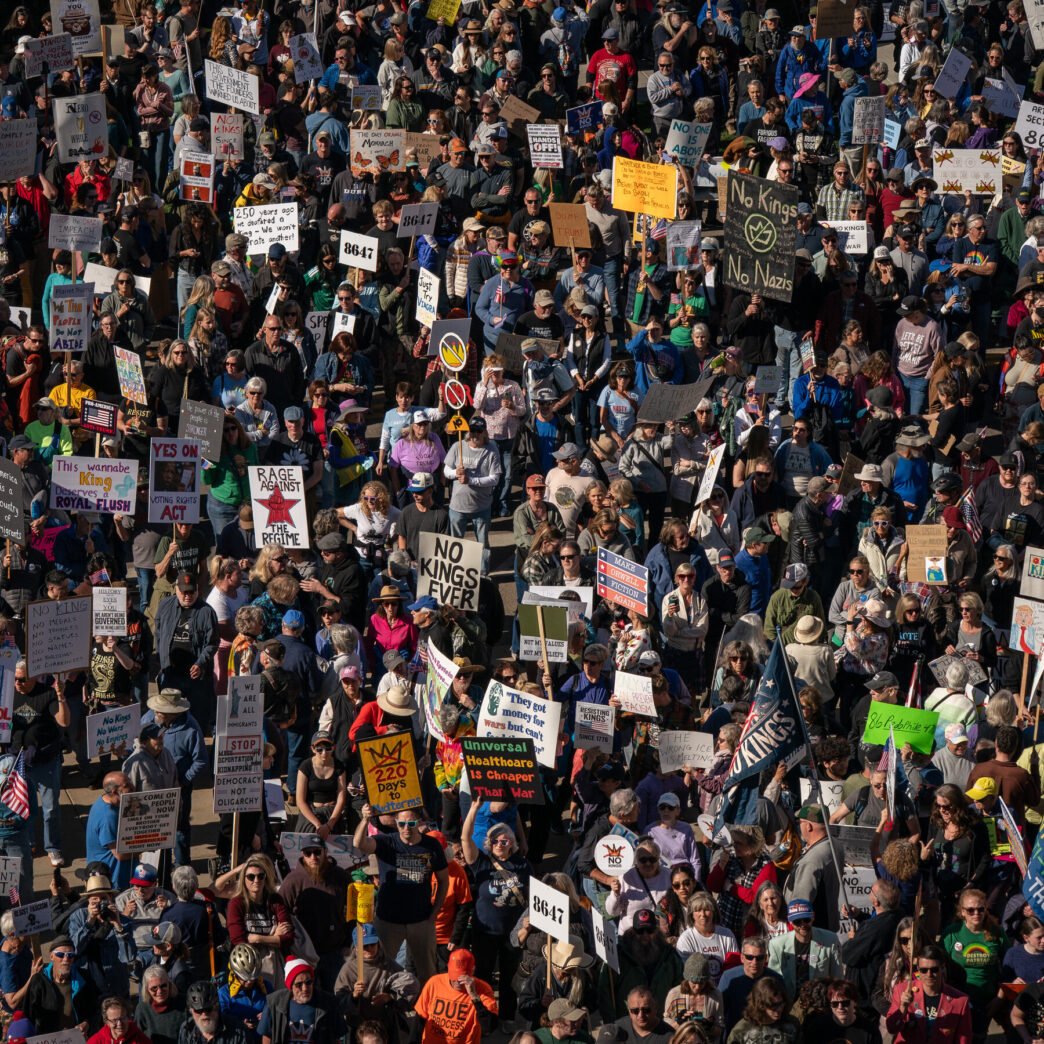
The third installment of the ‘No Kings’ protests is set to take place, with organizers aiming to make it the largest yet. But the question on everyone’s mind is: will hitting a high attendance number be enough to deliver an effective political movement? As the movement gains momentum, it’s essential to examine the impact of protests on policy change. According to the United Nations, protests can be a powerful tool for bringing about social change, but they must be accompanied by a clear strategy and tangible goals.
What Do the Numbers Mean?
To understand the significance of the ‘No Kings’ protests, it’s crucial to look at the numbers. With over 10,000 attendees expected, this could be one of the largest protests in recent history. However, as Human Rights Watch notes, the size of a protest is not always a reliable indicator of its success. A more critical factor is the level of engagement and commitment from attendees, as well as the movement’s ability to translate momentum into concrete policy changes.
Key Challenges Ahead
As the ‘No Kings’ protests move forward, several challenges need to be addressed. These include:
- Building a diverse coalition of supporters to ensure the movement’s message resonates with a broad audience
- Developing a clear, actionable plan for policy reform
- Establishing a strong, sustainable organizational structure to maintain momentum over time
By addressing these challenges, the ‘No Kings’ protests can become a powerful force for change, rather than simply a large gathering of like-minded individuals. As the movement continues to evolve, it will be essential to monitor its progress and assess its impact on the broader political landscape.