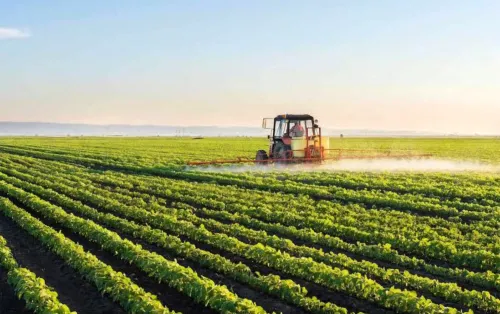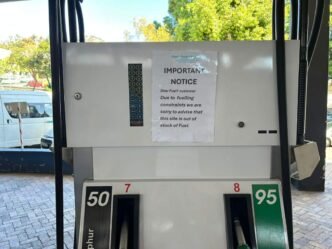
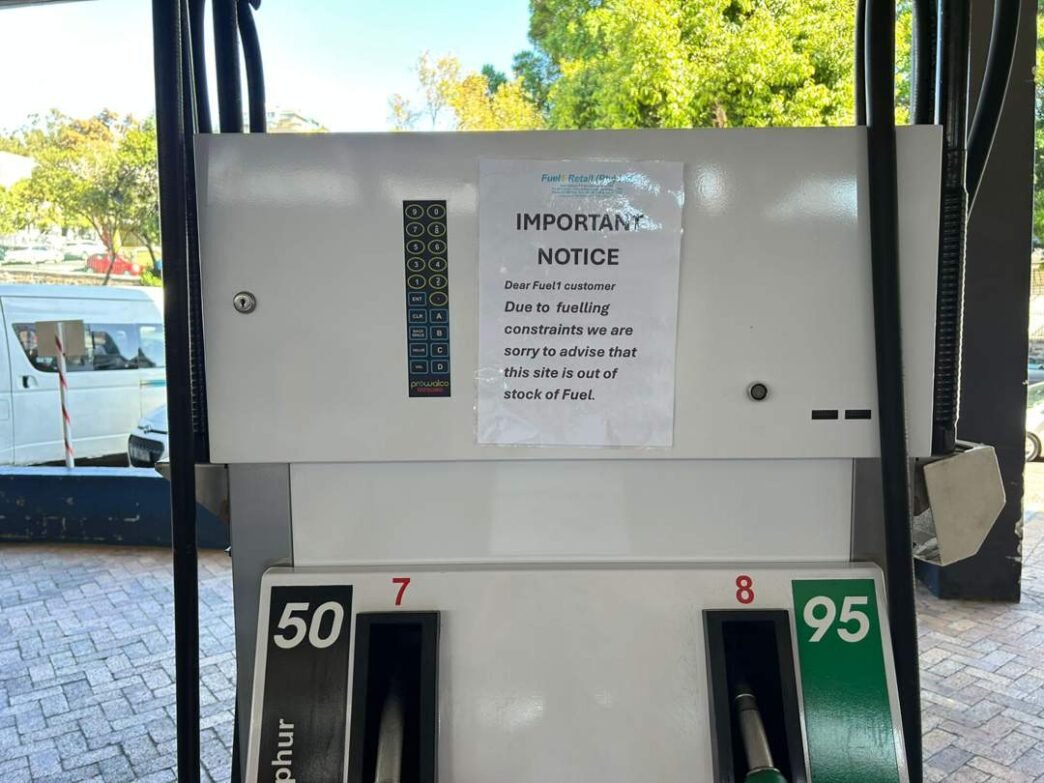
With only three days left before the record fuel price hikes, many petrol stations in South Africa are running out of diesel, prompting the country’s two biggest farming organisations, AgriSA and Agbiz, to call for an immediate fuel price adjustment to bring stability to the market.
According to Avhapfani Tshifularo, executive director of the Fuel Industry Association of SA, there has been an increase in fuel stations without diesel ahead of the price hike, with panic buying reported in some areas. The Department of Mineral Resources and Energy has also received reports of fuel suppliers holding onto their stock in anticipation of price increases next week.
Fuel Price Increases
The diesel price is expected to be hiked by more than R10 a litre, and 95 unleaded petrol by more than R5.80, which has led to widespread shortages, particularly in rural areas. The Northern Cape is especially hard hit, with fuel stations in Kakamas and Upington reporting that they don’t have diesel.
Independent fuel stations in small towns in the Western and Eastern Cape, as well as in parts of KwaZulu-Natal, have reportedly also been badly affected, with rural fuel stations in Mpumalanga and the Free State telling us that they have diesel sale curbs in place, ranging from 40 to 100 litres per customer.
Solutions to the Crisis
To address the crisis, AgriSA and Agbiz want the government to adopt a more flexible pricing mechanism, which would allow the pump price to move more frequently, even daily, and help importers recover costs and continue bringing in supply. They also want an immediate, out-of-cycle fuel price adjustment to better reflect current market conditions.
Here are some of the key factors contributing to the fuel price crisis:
- Above-normal service-station demand
- Limited road tanker availability
- Panic buying in some areas
- Fuel suppliers holding onto their stock in anticipation of price increases
As the situation continues to unfold, it remains to be seen whether the government will heed the call for an immediate fuel price adjustment and adopt a more flexible pricing mechanism to address the crisis.