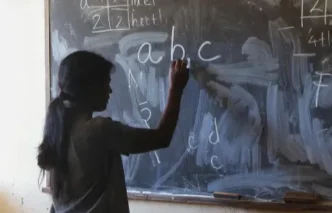
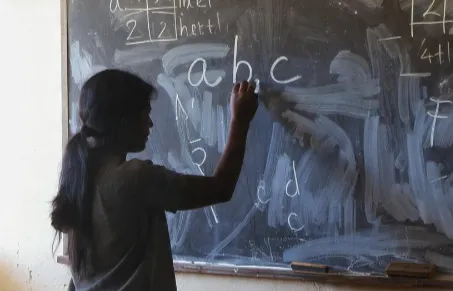
The KwaZulu-Natal Department of Education has announced the appointment of 500 new Grade R teachers, set to begin on April 1, amidst mixed reactions from teacher unions regarding the delay and limited numbers. The move is expected to improve the quality of education in the province, which has been plagued by teacher shortages in recent years.
Grade R Teacher Shortage in KZN
According to the Department of Basic Education, the appointment of new teachers is a step in the right direction, but more needs to be done to address the shortage of qualified educators in the province. The South African Democratic Teachers Union (SADTU) has expressed concerns that the number of new appointments is not sufficient to meet the demand for Grade R teachers in KZN.
The union has also raised concerns about the delay in making the appointments, which were initially supposed to take effect in January. The delay has resulted in many schools being forced to operate without sufficient teaching staff, which has had a negative impact on the quality of education.
Impact on Education in KZN
The appointment of new Grade R teachers is expected to have a positive impact on the education system in KZN. Grade R is a critical phase of education, as it lays the foundation for future learning. With more qualified teachers in the classroom, pupils are likely to receive better instruction and support, which can lead to improved academic outcomes.
Some of the benefits of the new appointments include:
- Improved teacher-to-pupil ratios, which can lead to more personalized attention and support for learners
- Enhanced quality of education, as qualified teachers are better equipped to deliver the curriculum and assess pupil progress
- Increased opportunities for professional development, as new teachers bring fresh ideas and perspectives to the classroom
However, despite the positive developments, concerns remain about the overall state of education in KZN. The province still faces significant challenges, including inadequate infrastructure, limited resources, and high levels of poverty and inequality.
As the new teachers take up their posts, it is essential that the Department of Education continues to work towards addressing these underlying issues, which can have a lasting impact on the quality of education in the province. By doing so, the department can help ensure that all pupils in KZN have access to quality education, regardless of their background or circumstances.