Iran’s response to a US peace proposal aimed at ending the war in the Middle East is expected on Friday, according to a source briefed on the matter. US President Donald Trump and top White House officials have been told via interlocutors to expect Iran’s counter-proposal then, the source said.
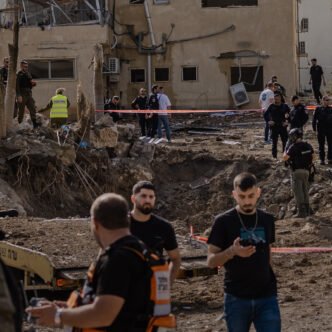
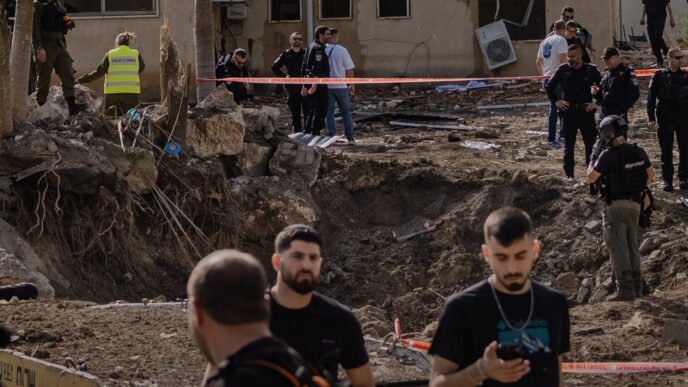
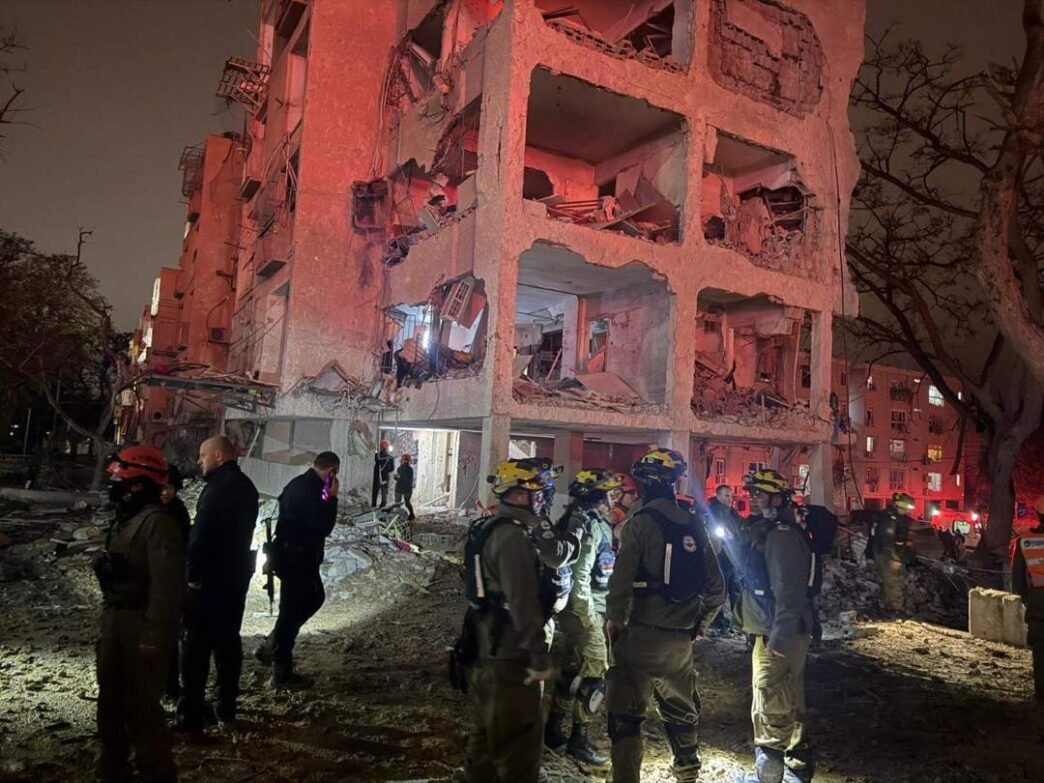
The war, which began when the US and Israel attacked Iran on 28 February, has spread across the Middle East. Iran had been reviewing a 15-point proposal, sent via Pakistan, that included demands ranging from dismantling Iran’s nuclear programme to curbing its missile development and effectively handing over control of the Strait of Hormuz, according to sources and reports.
US Awaits Iran’s Response
Iran has expressed willingness to talk about certain things in an exchange of messages, US Secretary of State Marco Rubio told reporters after a G7 meeting in France on Friday. “We’re waiting for further clarification about who it is that we would be talking to, what we would be talking about, and when will we be talking,” Rubio said.
An Iranian official told Reuters on Thursday that senior officials had reviewed the proposal and felt it served only US and Israeli interests. But the official said diplomacy had not ended.
Strategic Implications
The US top diplomat told reporters he had made progress with allies in opposing Iranian threats to start “tolling” vessels that pass through the strategic Strait of Hormuz. “Not only is this illegal, it’s unacceptable, it’s dangerous to the world, and it’s important that the world have a plan to confront it,” Rubio said.
Some key points to consider about the US-Iran conflict include:
- Potential impact on global oil prices, which could affect South African petrol prices
- Regional stability and the role of other Middle Eastern countries
- International diplomatic efforts to resolve the conflict
As the situation continues to unfold, it remains to be seen how Iran’s response will be received by the US and its allies.