Sri Lanka has taken a drastic measure to curb fuel hoarding, jailing a 48-year-old man for three weeks for stockpiling four litres of petrol during the country’s nationwide fuel shortage, triggered by the Middle East war. The man, who initially claimed the fuel was for his lawnmower, was also fined 1,500 rupees ($5) by a magistrate in Nikaweratiya, 125 kilometres northeast of the capital Colombo.
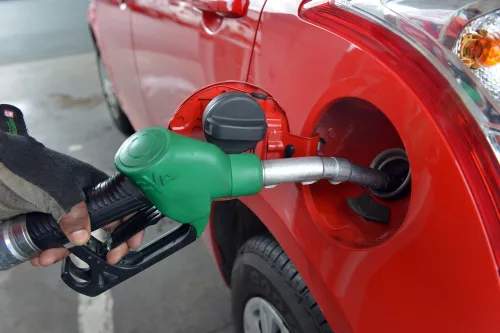
The fuel shortage in Sri Lanka has led to authorities imposing fuel rationing, with motorists receiving fuel every other day. According to the Ministry of Power and Energy, existing diesel stocks are sufficient until mid-May, while petrol supplies could last about a week longer. The crisis has resulted in fuel prices rising by a third since the United States and Israel began bombing Iran, triggering retaliatory attacks that disrupted global supplies.
Fuel Crisis in Sri Lanka
The Sri Lankan government has been exploring alternatives to secure oil supplies, with President Anura Kumara Dissanayake holding talks with visiting Russian Deputy Energy Minister Roman Marshavin. According to a statement from Dissanayake’s office, the Russian minister expressed Russia’s willingness to support Sri Lanka in facing challenges arising from the Middle East conflict, as stated on the Russian Ministry of Foreign Affairs website.
Impact on Motorists
The fuel shortage has significantly impacted motorists in Sri Lanka, with many struggling to access fuel for their daily commutes. The situation has led to a thriving black market, with some individuals taking advantage of the shortage to sell fuel at inflated prices. The government’s efforts to crack down on fuel hoarding and black market sales aim to alleviate the suffering of motorists and restore order to the fuel market.
Some of the key measures taken by the government to address the fuel crisis include:
- Imposing fuel rationing to ensure equitable distribution of available fuel
- Cracking down on fuel hoarding and black market sales
- Exploring alternative sources of oil supplies
- Providing support to motorists affected by the fuel shortage
The situation in Sri Lanka serves as a reminder of the far-reaching consequences of global conflicts on local economies and the importance of diversifying energy sources to mitigate the impact of such crises.