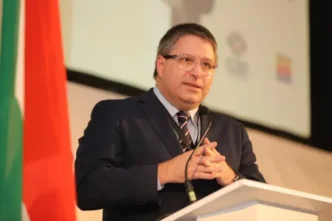
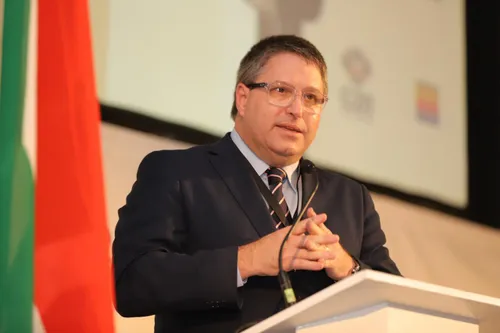
The Western Cape has tabled a record R35.1 billion education budget, with a focus on improving learning outcomes and expanding access to quality education. Delivering his 2026/27 budget speech in the provincial parliament, David Maynier said the province is committed to delivering quality education for every learner, in every classroom, in every school in the Western Cape.
Education Budget Breakdown
The education allocation is the largest departmental budget in the province, with billions earmarked for infrastructure, teacher expansion and targeted academic interventions. The province plans to spend R2.7 billion on infrastructure, including the delivery of 280 new classrooms and 10 new schools expected to open in 2027.
According to the Western Cape Government website, the budget also includes funding for up to 701 additional teaching posts, including 600 in mainstream schools and 101 in special needs education. This is expected to help alleviate the pressure on overcrowded classrooms and improve the overall quality of education in the province.
Challenges Facing the Education System
Despite the increased budget, the education system in the Western Cape still faces significant challenges, including admissions demand, overcrowding, unfunded mandates and the winding down of infrastructure funding support. The gap between infrastructure delivery and learner demand remains one of the system’s most persistent challenges, with demand outpacing supply, particularly in high-growth urban areas.
Some of the key statistics highlighting the challenges facing the education system include:
- 227 learners remained unplaced earlier this month
- Thousands of late applications continue to strain the system
- Over 7,000 learners were still seeking placement at the start of the 2026 school year
The department has reported improvements in early grade outcomes, with Grade 3 Mathematics pass rates increasing from 44.3% in 2021 to 62%, and Language pass rates rising from 36.9% to 51.2%. However, nearly half of learners still struggle to pass language, highlighting the need for continued investment in education.
The province has introduced a number of initiatives aimed at improving education outcomes, including baseline assessments in literacy and numeracy, new reading fluency benchmarks and a structured numeracy intervention. A new reading strategy has also been launched, with the goal that every child should be able to read for meaning by the age of 10.</p)