
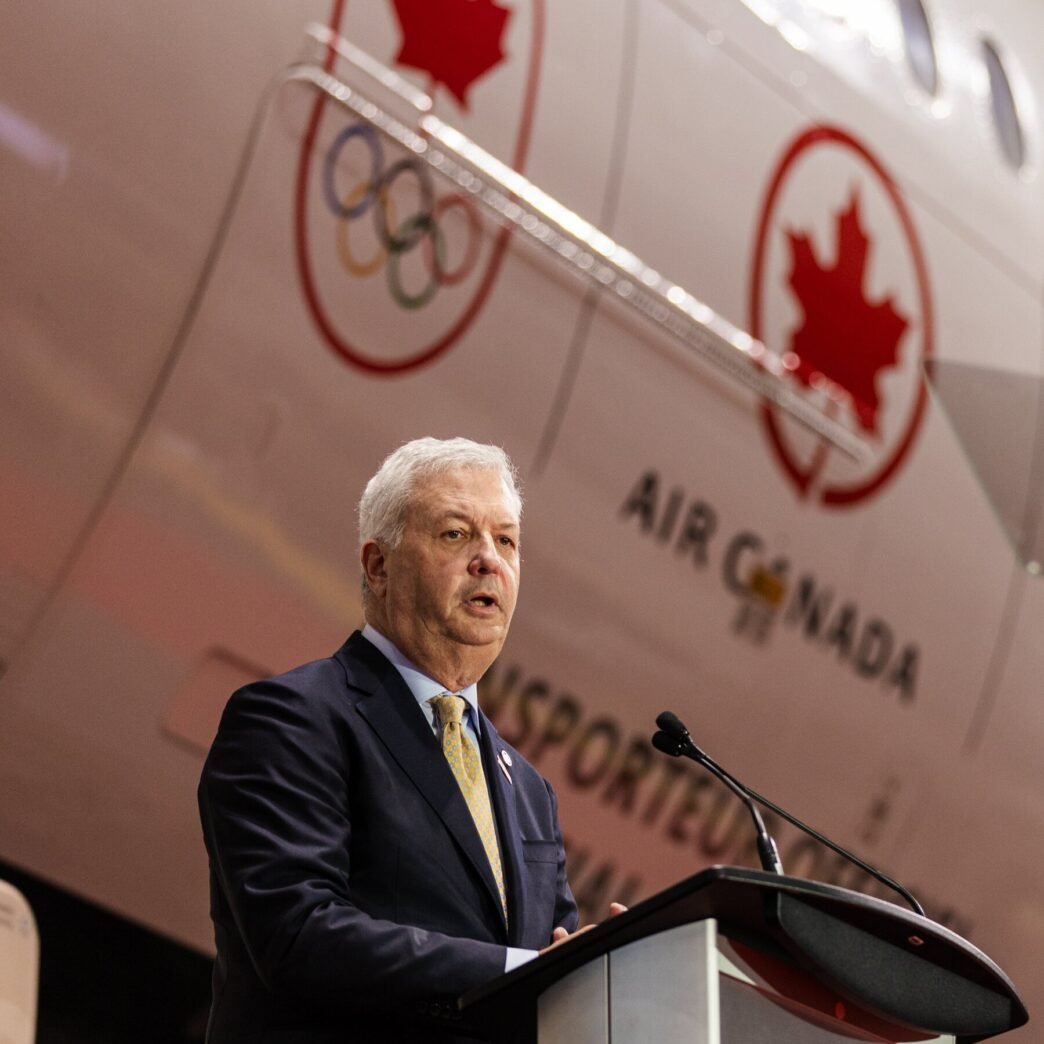
Air Canada’s CEO, Michael Rousseau, has come under fire for delivering condolences in English only, following a deadly collision at LaGuardia Airport, reigniting a debate over linguistic inclusivity in Canada. The lack of French in his speech has been widely criticized, with many calling for greater recognition of the country’s bilingual status, as outlined on the Government of Canada’s official languages website.
Language Inclusivity in Canada
The incident has highlighted the importance of language inclusivity in Canada, where both English and French are official languages. According to Wikipedia, approximately 22% of Canadians speak French as their first language. The Canadian government has implemented various measures to promote linguistic duality, including the Official Languages Act, which aims to ensure equal status for both languages in all federal institutions.
The controversy surrounding Air Canada’s CEO has sparked a wider discussion about the role of language in Canadian society. Some argue that the lack of French in Rousseau’s speech is a symptom of a broader problem, where English is often prioritized over French in official contexts. Others argue that the incident is an isolated mistake, and that Air Canada has a good track record of promoting linguistic inclusivity.
Promoting Linguistic Duality
To promote linguistic duality, the Canadian government has implemented various initiatives, including:
- Language training programs for federal employees
- Cultural events and festivals celebrating French and English languages
- Language education programs in schools
- Bilingual signage and documentation in federal institutions
These initiatives aim to promote greater understanding and appreciation of both languages, and to ensure that all Canadians have access to services and information in their language of choice.
The incident has also sparked a discussion about the importance of language in business and commerce. As Canada’s largest airline, Air Canada has a significant impact on the country’s economy and culture. The company’s commitment to linguistic inclusivity is seen as essential to its success and reputation.