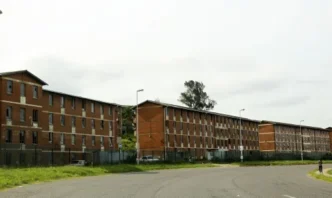

eThekwini Municipality is home to the largest number of hostel residents in South Africa, with over 130,000 people living in these communal facilities. The municipality’s hostels and Community Residential Units (CRUs) have been evolving to meet the challenges of urban overcrowding and housing demand, while contributing to sustainable community development.
History of Hostels in eThekwini
The history of hostels in eThekwini dates back to the apartheid era, when they were built to accommodate migrant workers. Today, these hostels have become an integral part of the city’s social fabric, providing shelter to thousands of people. According to the South African National Census, the population of eThekwini has been growing steadily, with a significant increase in the number of people living in hostels.
Challenges Facing Hostel Residents
Despite the efforts to upgrade and maintain hostels, residents still face numerous challenges, including overcrowding, poor sanitation, and limited access to basic services. A report by the United Nations Human Settlements Programme highlights the need for sustainable and inclusive urban planning to address these challenges. Some of the key issues affecting hostel residents include:
- Lack of access to clean water and sanitation
- Overcrowding and poor living conditions
- Limited access to healthcare and social services
- Inadequate security and safety measures
The eThekwini Municipality has been working to address these challenges through various initiatives, including the upgrading of hostels and the provision of basic services. However, more needs to be done to ensure that hostel residents have access to decent and affordable housing.