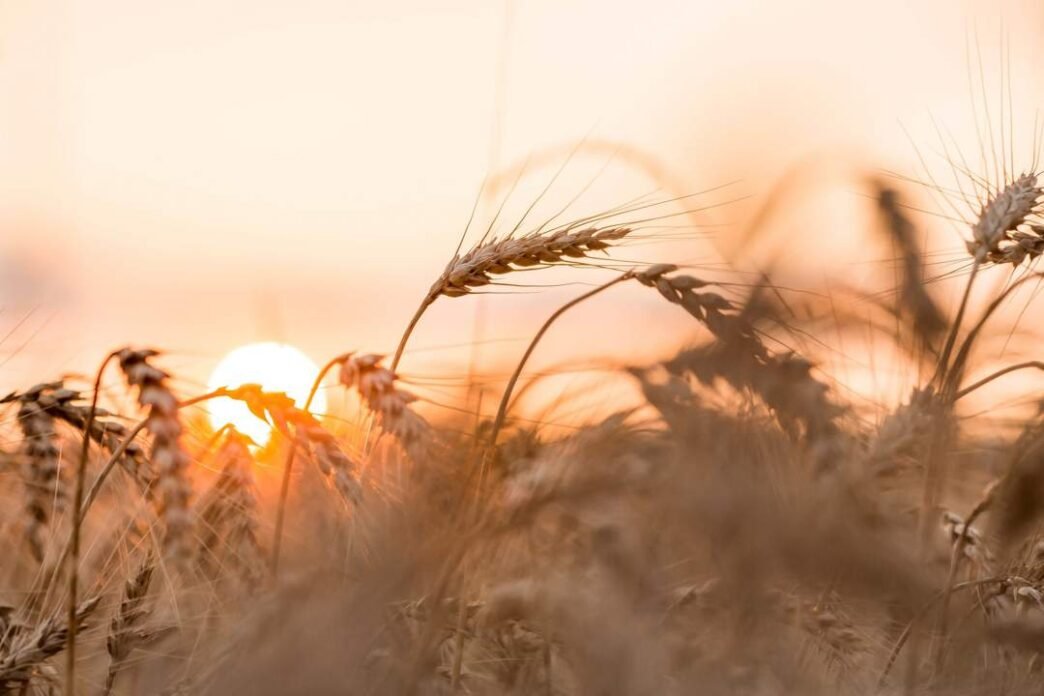
As the winter planting season approaches, South African farmers are facing a daunting challenge: surging diesel prices and tightening supplies triggered by the Middle East conflict. This perfect storm is threatening production in sub-Saharan Africa’s largest commercial wheat-growing industry, with farmers bracing for the worst.
The conflict has led to a significant increase in global oil prices, with International Energy Agency warning of a potential supply shortage. For South African farmers, this means higher costs for fuel, which is essential for planting, harvesting, and transporting their crops.
Diesel Price Increase Affects SA Wheat Production
The current diesel price in South Africa is around R20 per liter, up from R15 per liter just a few months ago. This 33% increase is putting pressure on farmers, who are already operating on thin margins. According to the Agricultural Business Chamber, the diesel price increase could lead to a 10% decrease in wheat production, resulting in significant economic losses for farmers and the country as a whole.
Impact on Food Security
The potential decrease in wheat production has significant implications for food security in South Africa. Wheat is a staple crop, used to produce bread, pasta, and other essential food products. A shortage of wheat could lead to higher food prices, affecting the most vulnerable members of society. To mitigate this risk, the government and agricultural industry are exploring alternative energy sources, such as biofuels, to reduce dependence on diesel.
Some of the key concerns for farmers include:
- Higher fuel costs, which could lead to reduced profits or even losses
- Reduced crop yields, due to the increased cost of fuel and other essential inputs
- Decreased food security, as a result of reduced wheat production
As the situation continues to unfold, farmers are holding out hope that a solution will be found to mitigate the effects of the diesel crisis. However, for now, they remain uncertain about the future of their industry and the impact on the country’s food security.