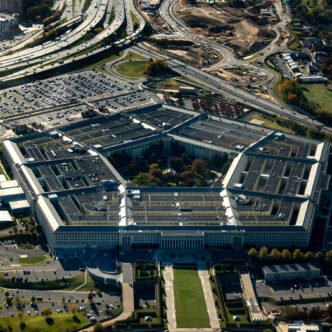
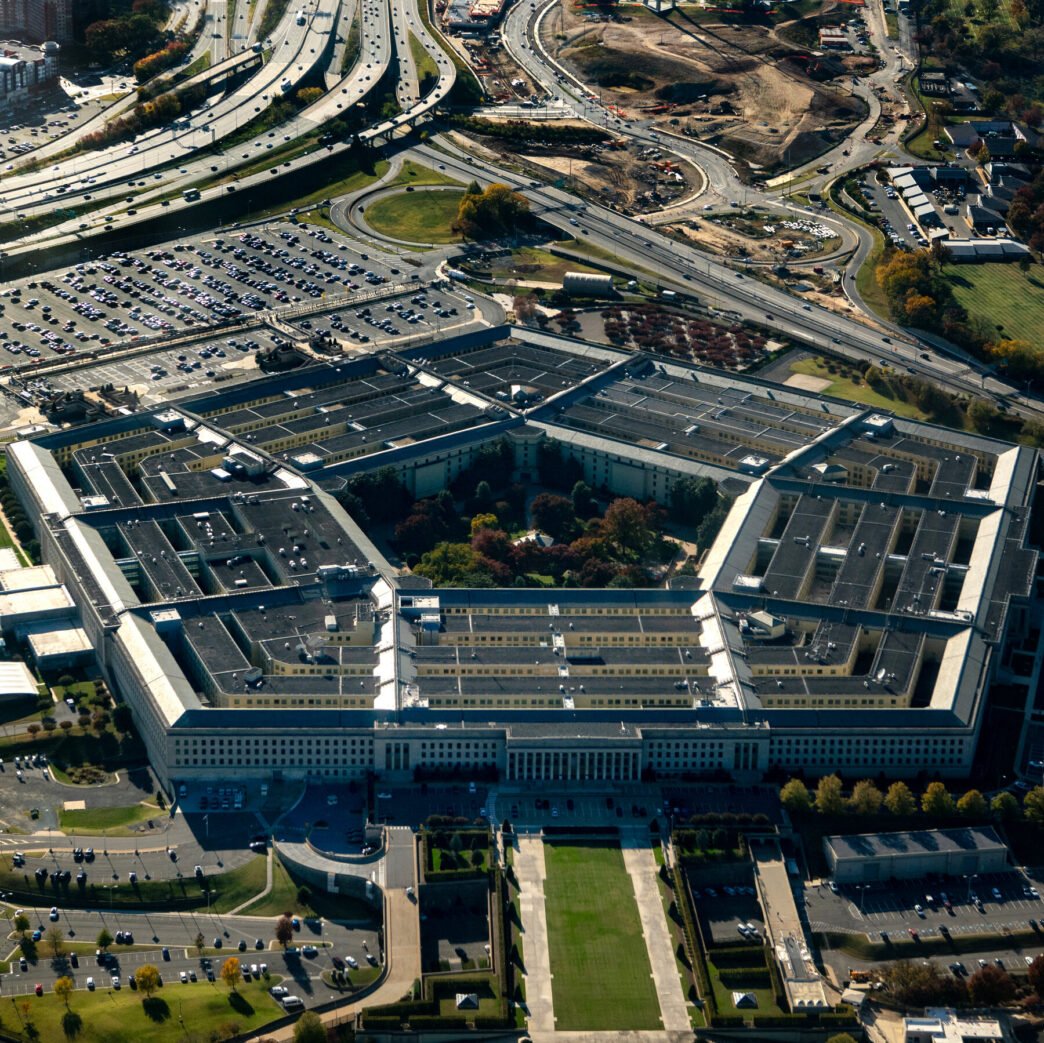
The Pentagon has announced significant changes to its media policy after a court ruling deemed the existing framework unconstitutional. The new guidelines will impact journalists covering the US Department of Defense, with the closure of the Pentagon’s work area for journalists being one of the major changes.
The move comes after a judge found that the existing policy, which allowed the Pentagon to restrict journalists’ access to certain areas and information, was in contravention of the First Amendment. The Pentagon has stated that it will work to ensure that journalists have access to the information they need while also maintaining national security.
Pentagon Media Policy: What’s Changing
The new policy includes several key changes, including the closure of the Pentagon’s work area for journalists, increased access to senior defense officials, and a review of the accreditation process for journalists. According to the US Department of Defense, the changes are aimed at increasing transparency and accountability while also protecting national security.
Implications for Journalists
The changes to the media policy will have significant implications for journalists covering the Pentagon. Some of the key implications include:
- Reduced access to certain areas of the Pentagon
- Increased scrutiny of journalists’ credentials and accreditation
- Greater emphasis on national security and protecting sensitive information
As the First Amendment guarantees freedom of the press, the new policy will need to balance the need for transparency and accountability with the need to protect national security. The changes are likely to have far-reaching implications for journalists and the public’s right to know.