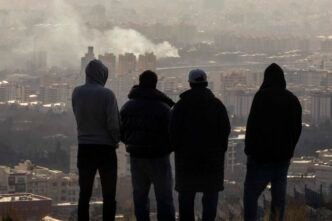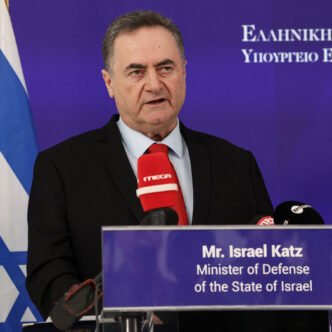
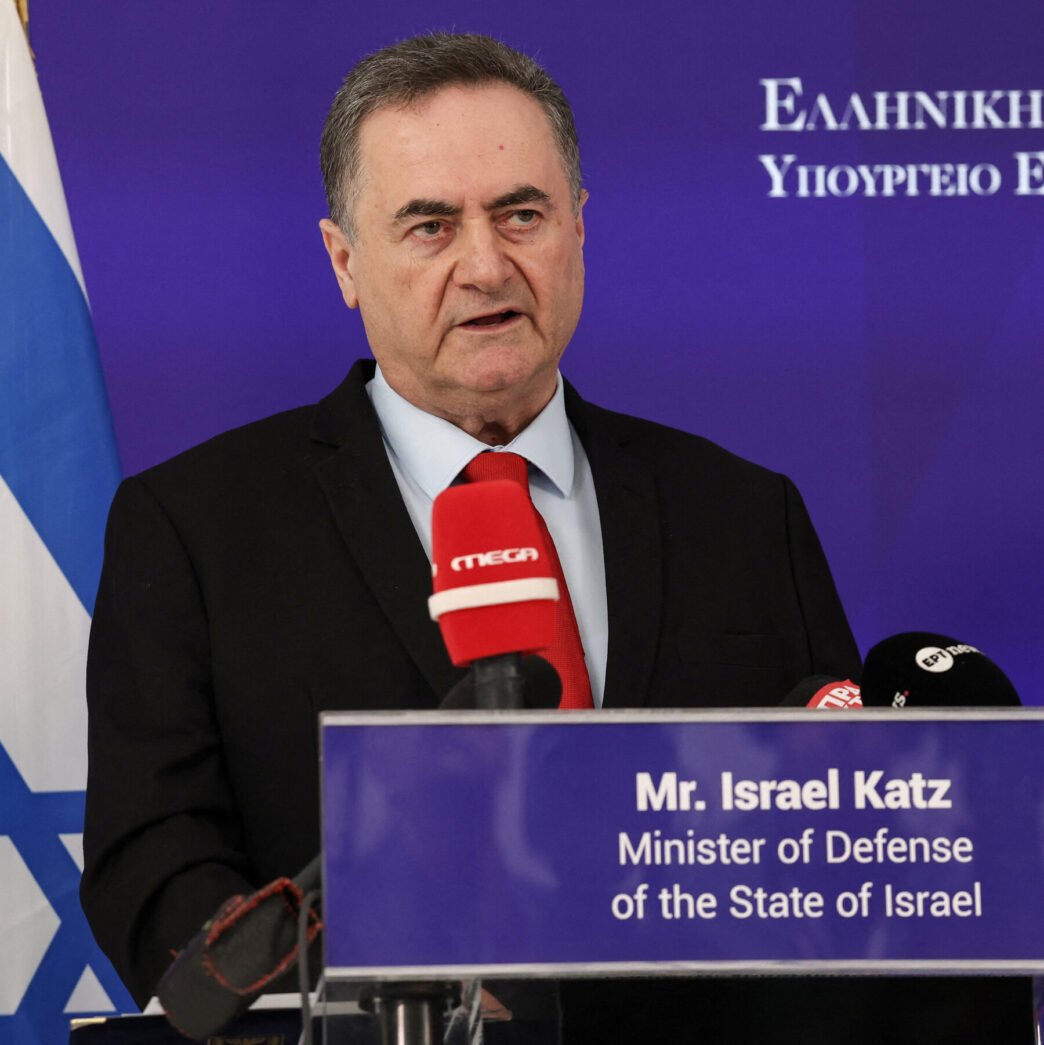
Defense Minister Israel Katz has instructed the military to intensify demolitions in southern Lebanon, sparking concerns about the expansion of a military-controlled buffer zone in the region. This move is expected to increase tensions between Israel and Lebanon, with many worrying about the potential consequences of such actions.
Demolitions and Buffer Zones
The Israeli military has been involved in various operations in southern Lebanon, with the aim of creating a buffer zone to protect its borders. However, the latest instructions from Minister Katz have raised questions about the extent of these operations and their impact on the local population. According to reports, the number of demolitions is expected to rise by 30% in the coming months, with a focus on destroying bridges and buildings that are deemed to be a threat to Israeli security.
The situation in southern Lebanon is complex, with various factions and militias operating in the region. The United Nations Charter emphasizes the importance of maintaining international peace and security, and the actions of the Israeli military will likely be closely watched by the international community. As the situation continues to unfold, it remains to be seen how the expansion of the buffer zone will affect the people of southern Lebanon and the wider region.
Key Concerns and Implications
Some of the key concerns and implications of the expanded buffer zone include:
- Potential displacement of civilians and damage to infrastructure
- Increased tensions between Israel and Lebanon, which could lead to further conflict
- Impact on the regional economy and trade
- Potential for the buffer zone to be used as a pretext for further military action
As the situation in southern Lebanon continues to evolve, it is essential to consider the potential consequences of the expanded buffer zone and the impact it may have on the people of the region. The international community will be watching closely, and it is crucial that all parties involved work towards finding a peaceful and sustainable solution.
For more information on the conflict in southern Lebanon, visit the Encyclopædia Britannica website, which provides a comprehensive overview of the history and politics of the region.