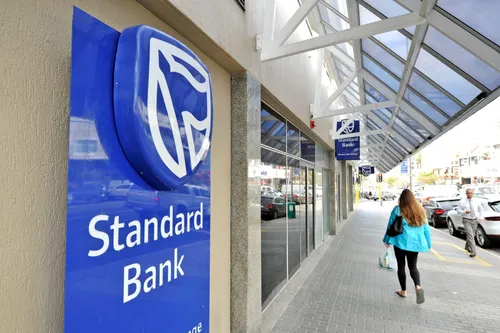
Standard Bank customers are raising concerns over alleged fraud incidents that have led to significant financial losses, with many taking to social media to share their experiences. The bank has reassured clients of its security measures, stating that there is no evidence of elevated fraud activity and that its fraud prevention and security controls remain robust and effective.
Alleged Fraud Incidents
Distressed bank users have expressed concern about Standard Bank allegedly exposing their confidential and private information to scammers, who allegedly wiped out their bank accounts. Scores of people have taken to social media, especially X, alleging that their money was completely withdrawn without their consent and knowledge.
According to the National Financial Ombud Scheme (NFOS), users of accounts from various banks reported being victims of fraud every day. The NFOS received formal complaints of just under 9,000 last year, with about 40% related to fraud incidents. As the South African Banking Risk Information Centre (SABRIC) notes, fraud can have a significant impact on individuals and the economy as a whole.
Measures To Prevent Fraud
Standard Bank has stated that it is closely working with its customers, SABRIC, the banking ombudsman, and other relevant authorities to continuously strengthen industry measures that protect customers’ accounts. Customers with specific fraud concerns are encouraged to contact the bank directly through its official channels. Those who are not satisfied with the outcome of a specific case may approach the Financial Sector Conduct Authority (FSCA) for an independent review.
Some measures that customers can take to protect themselves from fraud include:
- Monitoring their accounts regularly for suspicious activity
- Keeping their personal and account information confidential
- Being cautious of phishing scams and unsolicited emails
- Using strong and unique passwords for their online banking profiles
By taking these measures, customers can help to prevent fraud and protect their financial information.