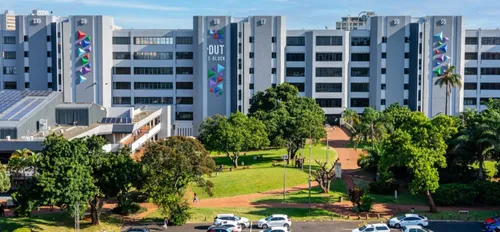
Over 5,000 students at the Durban University of Technology (DUT) are facing severe financial difficulties due to delayed allowances from the National Student Financial Aid Scheme (NSFAS), leading to protests and calls for accountability. The delays have left many students without the necessary funds to covers their living expenses, resulting in a significant impact on their academic performance and overall well-being.
NSFAS Allowance Delays
The NSFAS is a government-funded programme that provides financial assistance to eligible students, and the delays in payment have caused widespread frustration among the student community. According to the DUT student representative council, the delays have been ongoing for several months, with some students still waiting for their allowances from the previous semester.
The situation has been exacerbated by the lack of communication from NSFAS, with many students unsure of when they can expect to receive their payments. This has led to a breakdown in trust between the students and the NSFAS, with many calling for greater transparency and accountability.
Impact on Students
The delayed payments have had a significant impact on the students, with many struggling to make ends meet. Some of the effects of the delays include:
- Increased debt: Many students have been forced to take out loans or use credit cards to cover their living expenses, resulting in increased debt.
- Decreased academic performance: The financial stress caused by the delays has resulted in decreased academic performance, as students are forced to juggle their studies with part-time jobs to make ends meet.
- Decreased morale: The delays have also had a significant impact on the morale of the students, with many feeling frustrated and disillusioned with the system.
According to the NSFAS website, the organisation is responsible for providing financial assistance to eligible students, and the delays in payment are a clear indication of a breakdown in the system. The DUT student representative council has called on the NSFAS to take immediate action to address the issue and ensure that students receive their allowances in a timely manner.
The situation is a clear example of the challenges faced by students in South Africa, and the need for greater support and resources to ensure their success. As noted by the South African Government, education is a key priority, and it is essential that students have access to the necessary resources to achieve their goals.