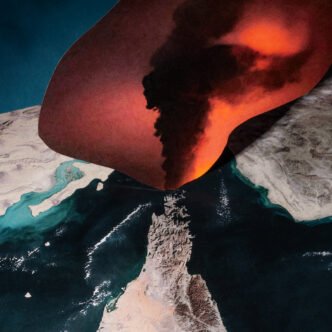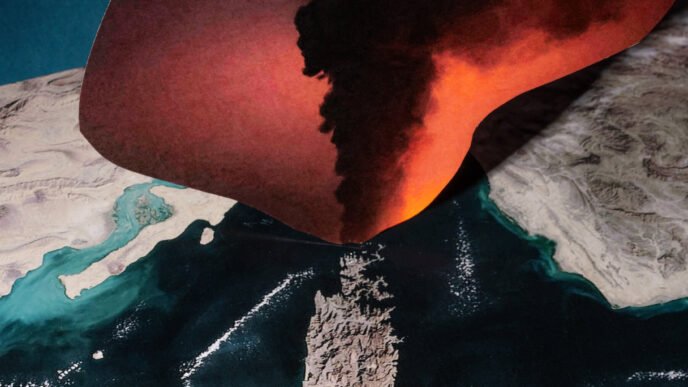
NATO chief Jens Stoltenberg said on Wednesday that the military alliance’s members were discussing the best way to open the Strait of Hormuz, through which a large chunk of the world’s oil supply normally passes. The Strait of Hormuz is a critical waterway, with about 20% of the world’s oil supply passing through it every day.
Strait of Hormuz Blockade
The blockade has sparked concerns over the potential impact on global oil prices and the South African economy, which is heavily reliant on oil imports. If the blockade continues, it could lead to a significant increase in oil prices, which would have a ripple effect on the global economy.
Possible Solutions
NATO members are exploring various options to resolve the situation, including military action. However, this is a complex issue, and any decision will require careful consideration of the potential consequences. Some possible solutions include:
- Diplomatic efforts to negotiate with Iran
- Military action to break the blockade
- Diverting oil tankers to alternative routes
The situation is being closely monitored by the international community, and any developments will be watched with great interest. As the situation unfolds, it is essential to consider the potential impact on South Africa and the global economy.