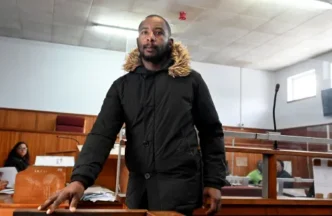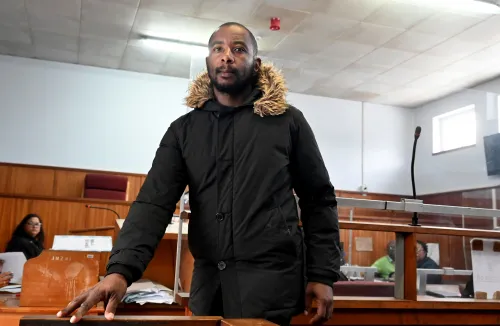
The Western Cape High Court has made a landmark ruling, upholding the life sentence of Simphiwe Mdekazi, who was convicted of kidnapping and raping a nine-year-old girl. This decision comes after Mdekazi’s appeal was denied, bringing a sense of justice to the victim and her family. The case has sparked widespread outrage and raised concerns about the safety and protection of children in South Africa.
Background of the Case
Mdekazi’s crime was particularly heinous, involving the kidnapping and rape of a minor. The incident occurred in a community where such crimes are often underreported due to fear and stigma. The prosecution presented a strong case, leading to Mdekazi’s conviction and subsequent life sentence. The denial of his appeal has been seen as a victory for the justice system and a testament to its commitment to protecting the vulnerable.
Implications of the Ruling
The ruling has significant implications for the fight against child abuse and rape in South Africa. According to the United Nations Children’s Fund (UNICEF), South Africa has one of the highest rates of child abuse in the world. The upholding of Mdekazi’s life sentence sends a strong message that such crimes will not be tolerated. It also underscores the importance of reporting suspicious activities and supporting victims of abuse.
Some key factors that contributed to the ruling include:
- The severity of the crime and its impact on the victim and her family.
- The strength of the prosecution’s case and the evidence presented.
- The commitment of the justice system to protecting children and upholding the law.
The ruling has been welcomed by child protection agencies and advocates, who see it as a step in the right direction. However, more needs to be done to address the root causes of child abuse and to support victims and their families. As noted by the South African Government, a multi-faceted approach is required to combat this scourge.