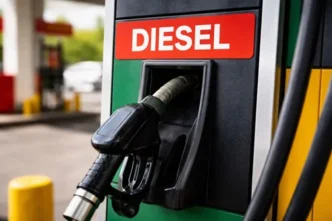
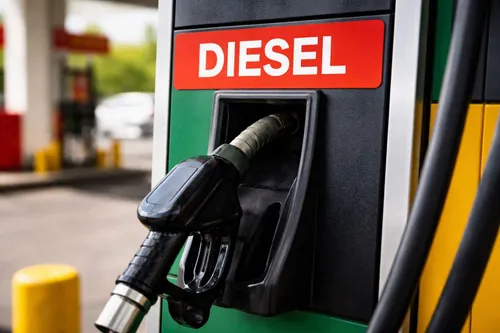
South Africa is bracing for a significant increase in diesel prices, with predictions suggesting a hike of up to R8 per litre in April. The latest data from the Central Energy Fund indicates that diesel prices could rise by R7.39 for 500ppm and R7.50 for 50ppm, while petrol prices are expected to increase by R4.10 for 93 Unleaded and R4.53 for 95 Unleaded.
Diesel Price Outlook Worsens
The diesel price outlook has worsened in recent days, with oil prices surging due to tensions in the Middle East. The situation has been exacerbated by Donald Trump’s calls for allies to help secure the Strait of Hormuz, which have been met with a lukewarm response. According to the International Energy Agency (IEA), the current oil price surge is likely to continue unless more strategic reserves are tapped.
The predicted fuel price hikes will have severe economic consequences for South Africa, particularly for the transport sector. Elevated transport costs will likely lead to higher inflation, which could have a devastating impact on the economy. The South African Reserve Bank has warned that high inflation could lead to higher interest rates, which would further exacerbate the economic downturn.
Fuel Taxes to Increase
The final blow will be dealt by the increase in fuel taxes, which was announced by Finance Minister Enoch Godongwana during his 2026 Budget Speech. From April 1, South Africans will be paying an additional 21 cents per litre in fuel taxes, following increases to the General Fuel Levy, Carbon Levy, and Road Accident Fund levy. This will bring the total fuel tax to R4.10 per litre for the General Fuel Levy and R2.25 for the Road Accident Fund levy.
Here are some of the key factors contributing to the predicted fuel price hikes:
- High crude oil prices
- Weakening of the rand against the US dollar
- Increase in fuel taxes
- Tensions in the Middle East
With Brent Crude oil prices stubbornly above $100, South Africans face alarming fuel price hikes in April, potentially exceeding initial forecasts and straining household budgets. The situation is likely to worsen unless there is a significant decrease in oil prices or an improvement in the rand’s value against the US dollar.