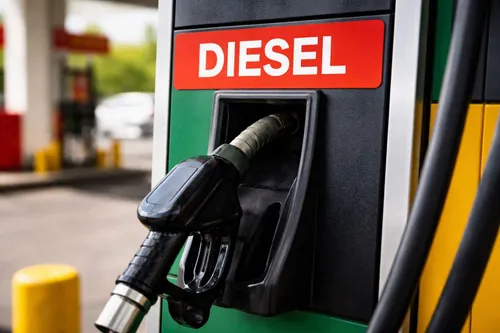
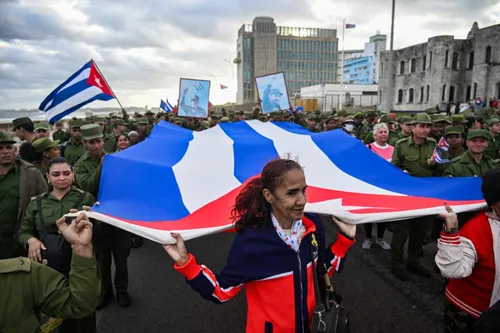
Cuba suffered a nationwide power outage on Monday, leaving nearly 11 million people without electricity, according to the Cuban Energy Ministry. The blackout occurred amid a US oil blockade that has strained the country’s aging power stations.
The US blockade, imposed due to Cuba’s ties with Russia, China, Iran, and pro-Palestinian armed groups, has led to prolonged power cuts and fuel shortages in the island nation. US President Donald Trump has cited these relationships as justification for the sanctions.
Impact of the Blockade
The blockade has had a significant impact on Cuba’s oil supply, with the country not receiving any oil shipments for the past three months. This has affected various sectors, including healthcare, with children in need of medical help being particularly vulnerable. As stated on the United Nations website, the blockade has been condemned by several countries, including Russia and China.
Cuban President Miguel Diaz-Canel has expressed his country’s willingness to engage in dialogue with Washington, but without compromising their principles or sovereignty. The Cuban government has also criticized the US for its role in the capture of Venezuelan President Nicolas Maduro, who was accused of running drug cartels.
International Response
The international community has denounced the US blockade, with many considering it inhumane. The effects of the blockade are not limited to Cuba, as it also has implications for the global economy. According to the Wikipedia page on the US embargo against Cuba, the blockade has been in place for several decades and has had a significant impact on the country’s economy.
Some of the key issues related to the blockade include:
- Prolonged power cuts and fuel shortages
- Impact on healthcare and other essential services
- Effects on the global economy
- International condemnation of the blockade
The situation in Cuba serves as a reminder of the complexities of international relations and the need for diplomacy to resolve conflicts. As the world watches the developments in Cuba, it is essential to consider the potential implications for South Africa and the global community.