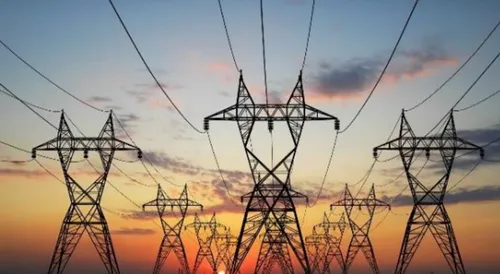
South Africans are set to feel the pinch as Eskom announces an 8.76% increase in electricity tariffs for the upcoming financial year, according to the Eskom website. This decision is expected to have far-reaching implications for households and businesses across the country, and raises concerns about the country’s energy future.
The tariff increase, which is set to come into effect soon, will see the average household’s electricity bill rise by a significant amount. For example, a household that currently pays R1,500 per month for electricity can expect to pay around R1,633 per month, an increase of R133.
Eskom’s Tariff Increase: What It Means for South Africans
The increase in electricity tariffs is likely to have a disproportionate impact on low-income households, who already struggle to make ends meet. Many of these households will have to make difficult choices between paying for electricity and other essential expenses, such as food and rent.
Businesses will also be affected by the tariff increase, particularly small and medium-sized enterprises that rely heavily on electricity to operate. The increased cost of electricity will eat into their profit margins, making it even harder for them to compete in the market.
Possible Solutions to the Energy Crisis
So, what can be done to mitigate the effects of the tariff increase? One possible solution is for households and businesses to reduce their energy consumption by using energy-efficient appliances and turning off lights and electronics when not in use. Another solution is for the government to provide subsidies or incentives for households and businesses that invest in renewable energy sources, such as solar or wind power.
Some of the ways to reduce energy consumption include:
- Using energy-efficient light bulbs and appliances
- Turning off lights, electronics, and appliances when not in use
- Insulating homes and buildings to reduce heat loss
- Using power strips to plug in electronics and turn them off with one switch
For more information on how to reduce energy consumption and invest in renewable energy sources, visit the Department of Mineral Resources and Energy website.