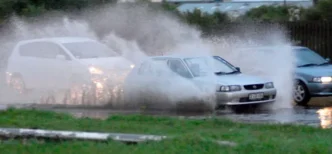

A recent Western Cape High Court ruling has found the South African National Roads Agency (Sanral) and two contractors negligent in a severe aquaplaning incident on the N1, which left a motorist with serious injuries. The court’s decision highlights the importance of proper road maintenance and the need for authorities to take responsibility for their actions.
The incident in question occurred when the motorist’s vehicle lost control due to aquaplaning on a section of the N1, resulting in severe injuries and damage to the vehicle. The motorist subsequently launched a lawsuit against Sanral and the contractors, alleging that their negligence had led to the accident.
Sanral’s Negligence
According to the court’s ruling, Sanral and the contractors had failed to properly maintain the road, which led to the accumulation of water on the surface and ultimately caused the aquaplaning incident. The court found that Sanral and the contractors had been aware of the potential risks associated with the road’s condition but had failed to take adequate steps to address the issue.
Consequences of Negligence
The court’s ruling has significant implications for Sanral and other road authorities, as it emphasizes the importance of proper road maintenance and the need for authorities to take responsibility for their actions. The ruling also highlights the potential consequences of negligence, including the risk of accidents and injuries to motorists.
As noted by the Department of Transport, proper road maintenance is crucial for ensuring the safety of motorists and reducing the risk of accidents. The department has implemented various initiatives aimed at improving road safety, including the road safety strategy.
Some of the key measures that can be taken to improve road safety include:
- Regular maintenance of roads and highways
- Implementation of safety features such as speed cameras and crash barriers
- Education and awareness campaigns to promote safe driving practices
- Enforcement of traffic laws and regulations
The court’s ruling is a significant step towards holding authorities accountable for their actions and promoting a culture of safety on South Africa’s roads.