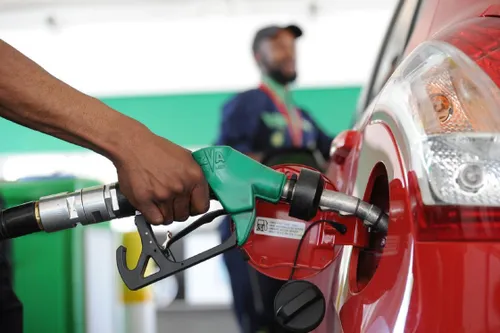
South Africa’s fuel prices are heavily influenced by global market dynamics, making the country vulnerable to supply issues and price trends. The recent escalation of tensions in the Middle East has led to a 5% increase in global oil prices, which could result in a 30% rise in petrol prices for South Africans.
The challenges of energy self-sufficiency are a major concern for South Africa, with the country relying heavily on imported crude oil to meet its fuel demands. According to the Department of Mineral Resources and Energy, South Africa imports approximately 70% of its crude oil requirements.
Fuel Price Trends and Economic Implications
The impact of global fuel price trends on South Africa’s economy cannot be overstated. A significant increase in fuel prices could lead to higher transportation costs, which would have a ripple effect on the entire economy. This, in turn, could lead to higher food prices, increased cost of living, and reduced economic growth.
Alternative Energy Sources
One potential solution to South Africa’s fuel price vulnerability is the development of alternative energy sources. The country has set ambitious targets to increase its use of renewable energy, with plans to generate 20% of its electricity from renewable sources by 2030. However, more needs to be done to reduce the country’s reliance on imported fossil fuels.
Some of the alternative energy sources that South Africa could explore include solar, wind, and hydrogen fuel cells. These sources have the potential to reduce the country’s carbon footprint, create jobs, and stimulate economic growth. The following are some of the benefits of alternative energy sources:
- Reduced greenhouse gas emissions
- Lower operating costs
- Increased energy security
- Job creation and economic growth
As the world transitions to a low-carbon economy, South Africa has an opportunity to position itself as a leader in the development and use of alternative energy sources. By investing in renewable energy and reducing its reliance on imported fossil fuels, the country can mitigate the impact of global fuel price trends and create a more sustainable energy future.