Gauteng has launched a new debt collection unit to track down motorists with outstanding vehicle licence fees, a critical source of provincial revenue. The unit aims to recover a substantial portion of the R1.4 billion owed to the province.
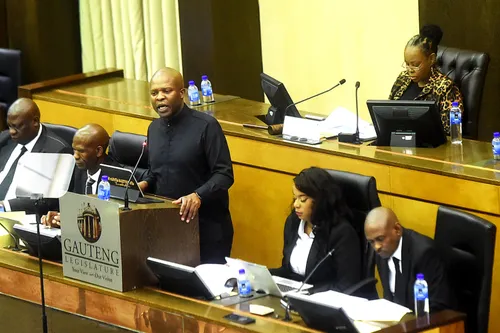
MEC Lebogang Maile outlined fiscal reforms aimed at boosting revenue, supporting infrastructure, and ensuring municipalities can deliver essential services amid growing financial pressures. According to Maile, the reforms will have a positive impact on the province’s economy, as stated on the National Treasury website.
License Fee Debt Breakdown
The debt collection unit will focus on recovering outstanding fees from motorists who have not paid their vehicle licence fees. The unit will use various methods to track down debtors, including data analytics and collaboration with other government agencies.
Consequences of Non-Payment
Motorists who fail to pay their vehicle licence fees may face penalties, including fines and the suspension of their vehicle’s licence disc. The consequences of non-payment can be severe, and motorists are urged to settle their outstanding fees as soon as possible.
The following are some of the key aspects of the new debt collection unit:
- Targeting motorists with outstanding vehicle licence fees
- Using data analytics to track down debtors
- Collaborating with other government agencies to recover debts
The launch of the debt collection unit is part of a broader effort by the Gauteng government to improve revenue collection and reduce financial losses. By recovering outstanding licence fees, the province can inject much-needed funds into its economy and support critical infrastructure projects.