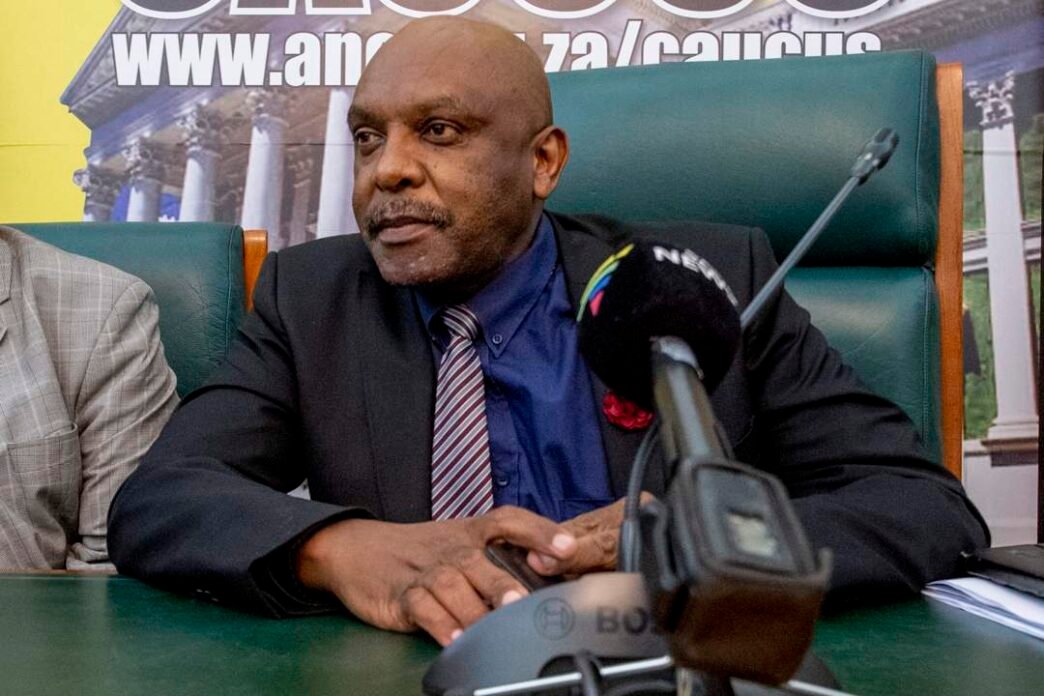
Progress on accountability is finally visible in South Africa, though the pace remains frustratingly slow. Last week’s sentencing of former ANC MP Vincent Smith to seven years’ imprisonment represents the first major state capture conviction, a breakthrough after years of waiting for justice.
Smith was convicted of accepting R800 000 in bribes from facilities management company Bosasa whilst chairing parliament’s portfolio committee on justice and correctional services. Bosasa had been awarded over R1 billion in contracts by the Department of Correctional Services, and Smith had turned from critic to champion of Bosasa, using his parliamentary position. The Zondo Commission concluded that he had breached his oath as an MP to uphold the Constitution. Smith also failed to declare R21m in earnings his company received over nine years to SARS, as stated on the South African Revenue Service website.
State Capture Convictions
The Zondo Commission identified numerous individuals who must face prosecution. Former president Jacob Zuma himself was implicated in enabling state capture. Former mineral resources minister Mosebenzi Zwane was found to have facilitated the Guptas’ capture of state resources. Former SAA chairperson Dudu Myeni was found to have undermined governance at the airline. Former SARS commissioner Tom Moyane oversaw the deliberate destruction of the revenue service’s capacity.
Accountability in Government Departments
Accountability must also reach into government departments where corruption continues to undermine service delivery. Last week saw the arrest of Department of Health Director-General Sandile Buthelezi and two other senior managers on fraud and theft allegations. Full investigations and prosecutions must follow.
The health sector has been particularly plagued by procurement corruption. Perhaps most prominent was the case at Tembisa Hospital, where irregular procurement running to R2bn led to the murder of whistleblower Babita Deokaran in 2021. Deokaran headed the Gauteng health department’s anti-corruption unit and was gunned down after flagging irregularities. Last week’s arrests underscore systemic problems in health procurement that rob citizens of services while enriching connected individuals.
Some of the key issues that need to be addressed include:
- Systemic corruption in government departments
- Lack of accountability and oversight
- Irregular procurement practices
The Department of Health must prioritise getting its house in order, including through stronger oversight of provincial health departments where much of the corruption occurs. Cleaning up procurement, professionalising management, and ensuring transparency are crucial steps towards restoring trust in the health sector.