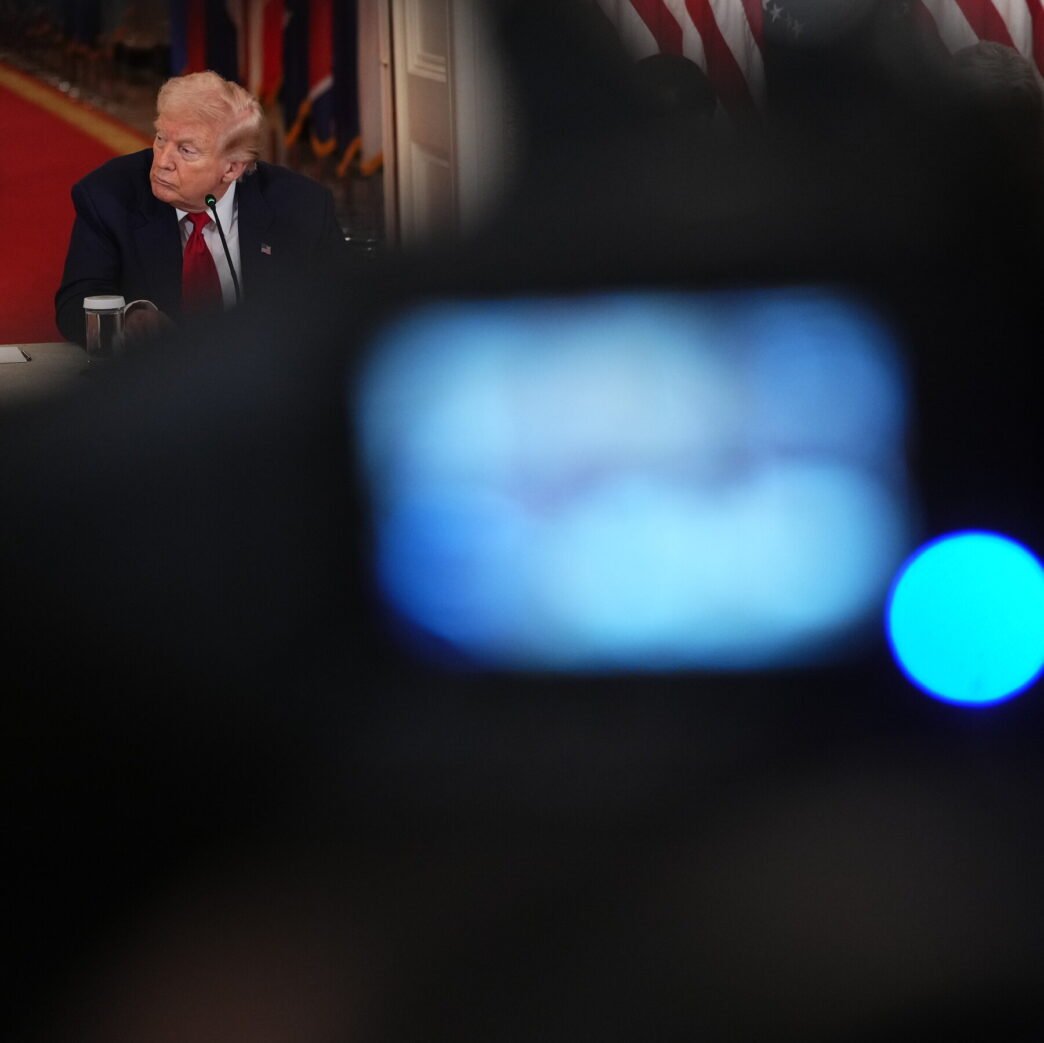
President Trump has called on private companies to take on a bigger role in cyber security, as outlined in his National Cybersecurity Strategy. The move is seen as a significant shift in the way the US approaches cyberwarfare, with private firms being encouraged to play a more active role in defending against cyber threats.
The strategy document does not specifically mention China or Russia, despite the two countries being known to be involved in various cyber attacks against the US. Instead, it focuses on building a more resilient cyber ecosystem, with private companies being key players in this effort.
Cyber Security Challenges
The US faces a wide range of cyber security challenges, from hacking and phishing attacks to more sophisticated threats such as ransomware and malware. To combat these threats, the government is looking to private companies to provide innovative solutions and expertise.
Private Sector Involvement
The private sector is already playing a significant role in cyber security, with many companies providing cyber security services and products to individuals and organizations. However, the government is looking to take this involvement to the next level, by encouraging private companies to work more closely with government agencies to share intelligence and best practices.
Some of the ways that private companies can get involved in cyber security include:
- Providing cyber security services such as penetration testing and vulnerability assessments
- Developing and implementing cyber security products such as firewalls and antivirus software
- Sharing intelligence and best practices with government agencies and other private companies
For more information on the National Cybersecurity Strategy, visit the White House website. Additionally, the Cybersecurity and Infrastructure Security Agency provides a range of resources and information on cyber security.