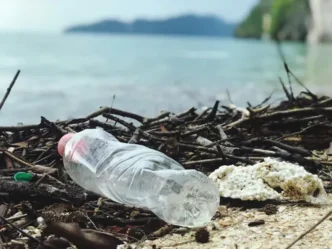
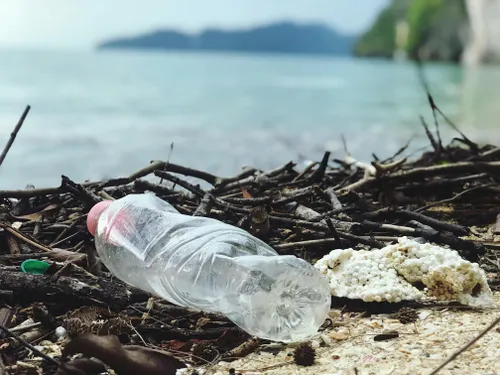
A recent study led by the University of Cape Town has revealed a disturbing trend of plastic pollution on Marion Island, a remote territory in the Southern Ocean. Despite being one of the most isolated places on Earth, the island is facing an increasing amount of plastic waste, particularly plastic bottles, washing up on its shores. The research, which spanned several decades, found that while local waste management improvements have reduced the amount of litter generated by the island’s research station, the overall amount of marine debris has increased. This surge in plastic pollution is attributed to a rise in plastic bottles, with many believed to have been dumped from ships in contravention of international law. The findings are a cause for concern, as Marion Island is a protected area under South African law, and the pollution poses a significant threat to its unique and pristine ecosystems. The study’s lead author, Emeritus Professor Peter Ryan, emphasized the need for stronger measures to prevent ships from dumping waste at sea, citing recent incidents of illegal dumping as evidence of the ongoing problem. The research highlights the far-reaching impact of human activities on the environment, even in the most remote and seemingly untouched areas of the planet. As the world grapples with the issue of plastic pollution, the study serves as a reminder of the urgent need for collective action to protect our oceans and preserve the integrity of our ecosystems. The study’s findings also underscore the importance of continued monitoring and research into the effects of plastic pollution on marine environments. With the International Maritime Organization facing pressure to strengthen regulations, the study’s results are a timely reminder of the need for effective and enforceable measures to prevent plastic pollution from reaching our oceans. The impact of plastic pollution on Marion Island is a symptom of a larger problem, one that requires a global response to address the scale and complexity of the issue. As the world moves forward, it is essential to prioritize the health of our oceans and the conservation of our planet’s most remote and fragile ecosystems.
Plastic Pollution Reaches Remote Marion Island, Threatening Pristine Ecosystems
Plastic pollution reaches remote Marion Island