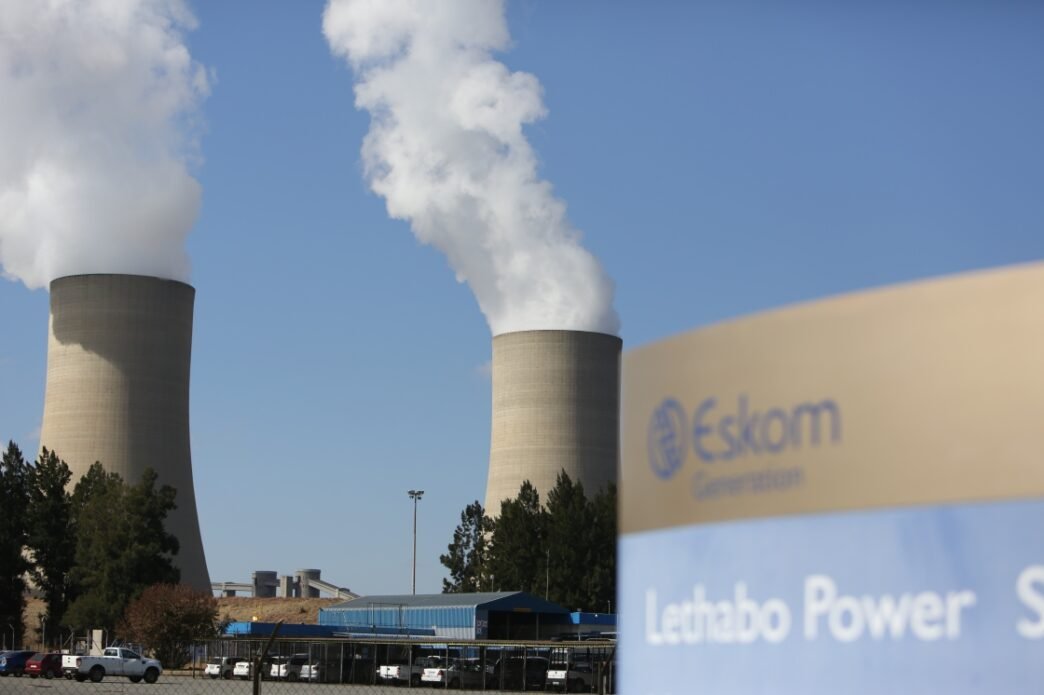
Load shedding has eased compared to the dark days of Stage 6. That’s true.
But easing is not the same as fixing.
Behind the scenes, Eskom still leans on diesel-powered turbines to smooth out pressure on the grid. Diesel is expensive. It always has been. And emergency diesel procurement has historically been one of the most vulnerable spaces for inflated pricing and accelerated contracts.
When something is labelled “urgent,” scrutiny relaxes.
When scrutiny relaxes, costs rise quietly.
If the grid is structurally healthier, why does the emergency architecture remain so active?
Because emergencies are flexible.
They allow movement of money without long delays. They justify decisions that would otherwise raise more questions.
South Africans are not energy economists. But they understand patterns. And the pattern is this: crisis never fully disappears it just changes shape.