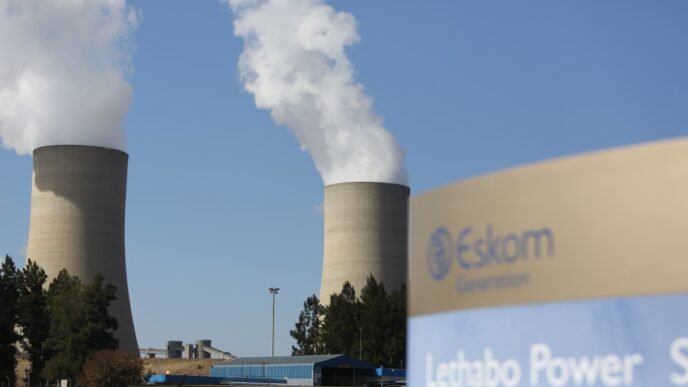
The tariff went up. Again. The speeches sounded responsible. The math still doesn’t make sense.
In February 2026, South Africans are once again being told to tighten their belts.
A 10.5% electricity tariff increase.
It was presented as technical. Necessary. Inevitable.
Eskom needs stability. The grid needs maintenance. The energy transition costs money. Debt must be serviced.
But if you’ve lived through the last decade, you know this script.
We’ve heard it before.
We were told that once debt relief was structured — more than R400 billion shifted, absorbed, rearranged — Eskom would breathe again. We were told the worst was behind us. We were told discipline had returned.
So why does the consumer remain the emergency fund?
Small businesses are still recovering from load shedding years. Township spaza shops run tight margins. Informal traders rely on fridges and freezers that now cost more to keep alive. Middle-class households already juggle bond repayments, rising food prices and transport costs.
And yet, when the system strains, the solution is always the same: raise tariffs. It is worth asking what exactly this 10.5% is stabilising. Because stability should eventually mean relief. Instead, it feels like maintenance of a structure that never fully changes.