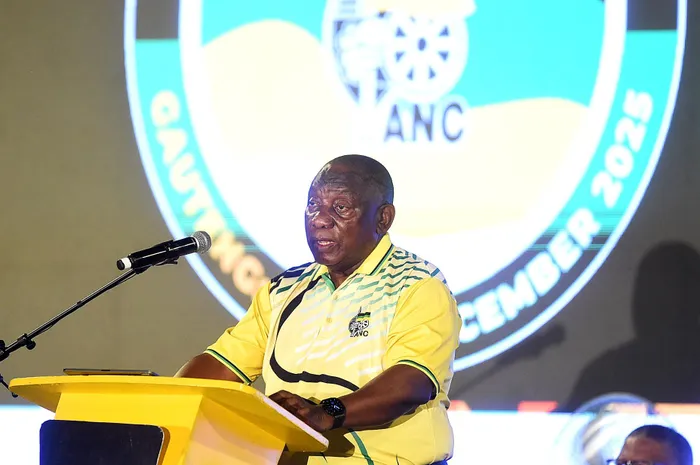
JOHANNESBURG, South Africa — In a high-stakes address on Saturday, January 24, 2026, President Cyril Ramaphosa reaffirmed his commitment to cleansing South Africa’s law enforcement agencies, declaring that the findings of the Madlanga Commission and Parliament’s Ad Hoc Committee will be the catalysts for a “total overhaul” of the criminal justice system.
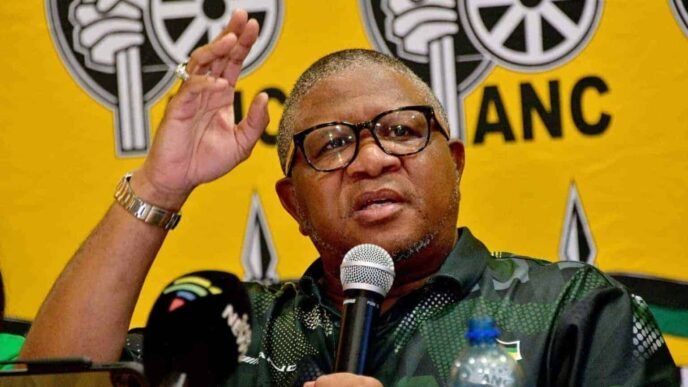
Speaking at the ANC’s National Executive Committee (NEC) Lekgotla in Ekurhuleni, the President signaled that the era of political interference in policing is coming to a definitive end.
The “Parallel Probes” Reaching a Boiling Point
The President’s comments come as two powerful investigative streams converge to expose what has been described as the “humanization of a shadow state”:
- The Madlanga Commission: Chaired by retired Justice Mbuyiseli Madlanga, this judicial inquiry was established in July 2025 following explosive revelations by KZN Police Commissioner Nhlanhla Mkhwanazi regarding criminal infiltration in the police.
- The Ad Hoc Committee: A parliamentary body conducting a concurrent probe into allegations of political meddling, specifically focusing on the controversial disbandment of the Political Killings Task Team (PKTT).
“We have received the interim reports, and we are studying them with the gravity they deserve,” Ramaphosa told delegates. “Where criminal acts are identified, they will be referred for immediate prosecution. There will be no ‘wait-and-see’ approach this time.”
Key Revelations Shaking the State
The investigations have recently uncovered startling evidence that points to more than just “isolated corruption”:
- The “Big Five” Cartel: Testimony from Crime Intelligence head Dumisani Khumalo recently identified a sophisticated syndicate, or “Cartel,” operating out of Gauteng, allegedly influencing senior police appointments and tender awards.
- Political Killings Task Team (PKTT): Witnesses have corroborated claims that the PKTT was disbanded not for lack of performance, but because it had begun closing in on politically connected individuals and their criminal associates.
- The “Middleman” Allegations: The probes are currently interrogating the role of specific “middlemen” who allegedly funneled funds from murder suspects to high-ranking officials in exchange for dockets and sensitive intelligence.
A Vow of Implementation
Critics have often accused the Ramaphosa administration of using commissions as a tool for delay. However, the President used the Lekgotla platform to counter this narrative, insisting that the Madlanga Commission has the power to refer matters for immediate criminal investigation—a power he expects it to exercise.
“Restoring public confidence in the police is not optional,” Ramaphosa asserted. “The recommendations for institutional reform, disciplinary actions, and prosecutions will be implemented to enhance the reforms needed to reposition our law enforcement agencies.”
The Shadow of Tragedy
The urgency of the President’s vow is underscored by the recent brutal killing of Marius van der Merwe (known as “Witness D”), who was gunned down in December 2025 shortly before he was set to provide pivotal testimony. The Commission has vowed not to be intimidated by the hit, which many see as a desperate attempt by criminal elements to stall the process.
What’s Next?
The Ad Hoc Committee is scheduled to conclude its work by February 20, 2026, after hearing final testimonies from high-profile witnesses, including former police heads and private investigators.